
A burst pipe rarely picks a convenient time. It lets go at 2 AM in January, or while you are away for the weekend, and by the time anyone notices, water has been pouring into the floors and walls for hours. In a Nashville home, one failed supply line can release hundreds of gallons before anyone reaches the valve. Renew Restoration answers burst pipe calls 24/7, and the first thing we do is stop the water and start pulling it back out. The sooner that happens, the less of your home ends up soaked, warped, or torn out during the repair.
Why Pipes Burst in Nashville Homes
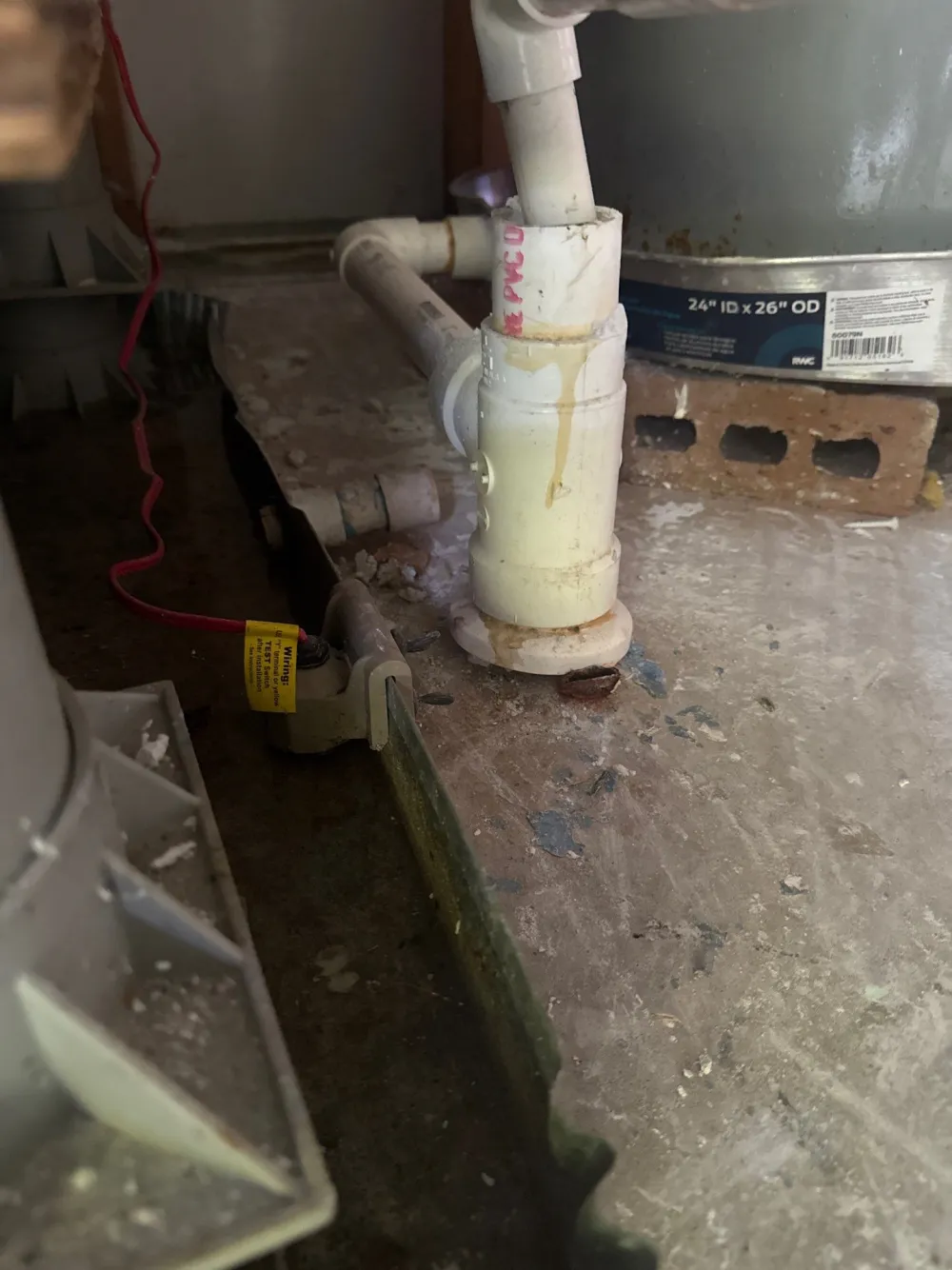
Middle Tennessee does not get the brutal winters of the upper Midwest, but it gets exactly the kind of weather that bursts pipes: a mild stretch followed by a hard freeze that catches everyone off guard. Water expands as it freezes, and a pipe running through an uninsulated crawl space, an exterior wall, or an unheated garage can split when the ice inside has nowhere to go. The line often holds until it thaws, then releases all at once. Age is the other big factor. Plenty of older Nashville homes still run on galvanized steel or cast-iron plumbing that has been corroding from the inside for decades, and a wall that thin can fail under ordinary water pressure with no freeze involved at all. High household pressure and a water heater near the end of its life only add to the odds.
Shut the Water Off at the Main Valve First
If you take one thing from this page, let it be this: know where your main shutoff valve is before a pipe ever bursts. In most Nashville homes it sits where the water line enters the house, often in the crawl space, the garage, near the water heater, or in a utility closet, with a second shutoff out at the meter by the street. When a line lets go, closing that valve stops the flow at its source and turns a disaster into a mess you can manage. If standing water has reached outlets or the panel, cut the power to that area only when you can do it safely, then call us. While you wait, moving furniture and lifting rugs off wet flooring gives those pieces a better chance. Do not hold out for business hours. Water travels by the minute, wicking up drywall and running along floor joists into rooms nowhere near the break.
Supply Line or Drain Line? The Source Decides the Cleanup
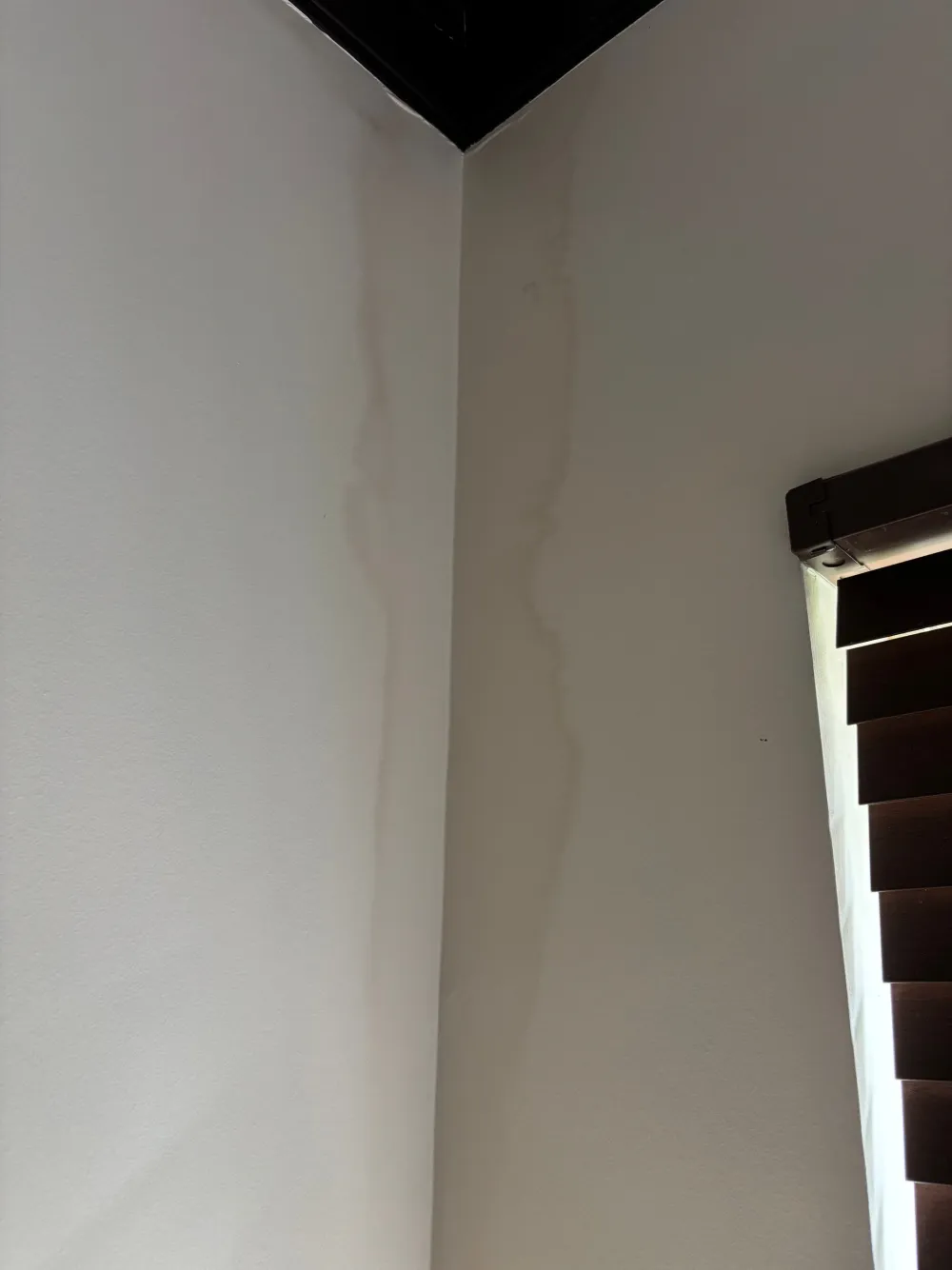
Not all burst pipe water is the same, and the difference changes how the job has to be handled. A broken supply line carries clean, treated water, what the IICRC calls Category 1, and if we reach it quickly it can often be dried in place. A failed drain line is another matter. That water is Category 2 or 3, gray or black water carrying contaminants, and it cannot simply be dried, it has to be removed and the area sanitized. The source of the water dictates the protocol, so one of the first things we do on site is identify which kind of line failed and how far the water has already traveled. A supply line that bursts on an upper floor is especially destructive, because the water heads straight down and often shows up as water damage on the ceiling in the room below before it ever reaches the floor you are standing on.
How We Dry a Home After a Burst Pipe
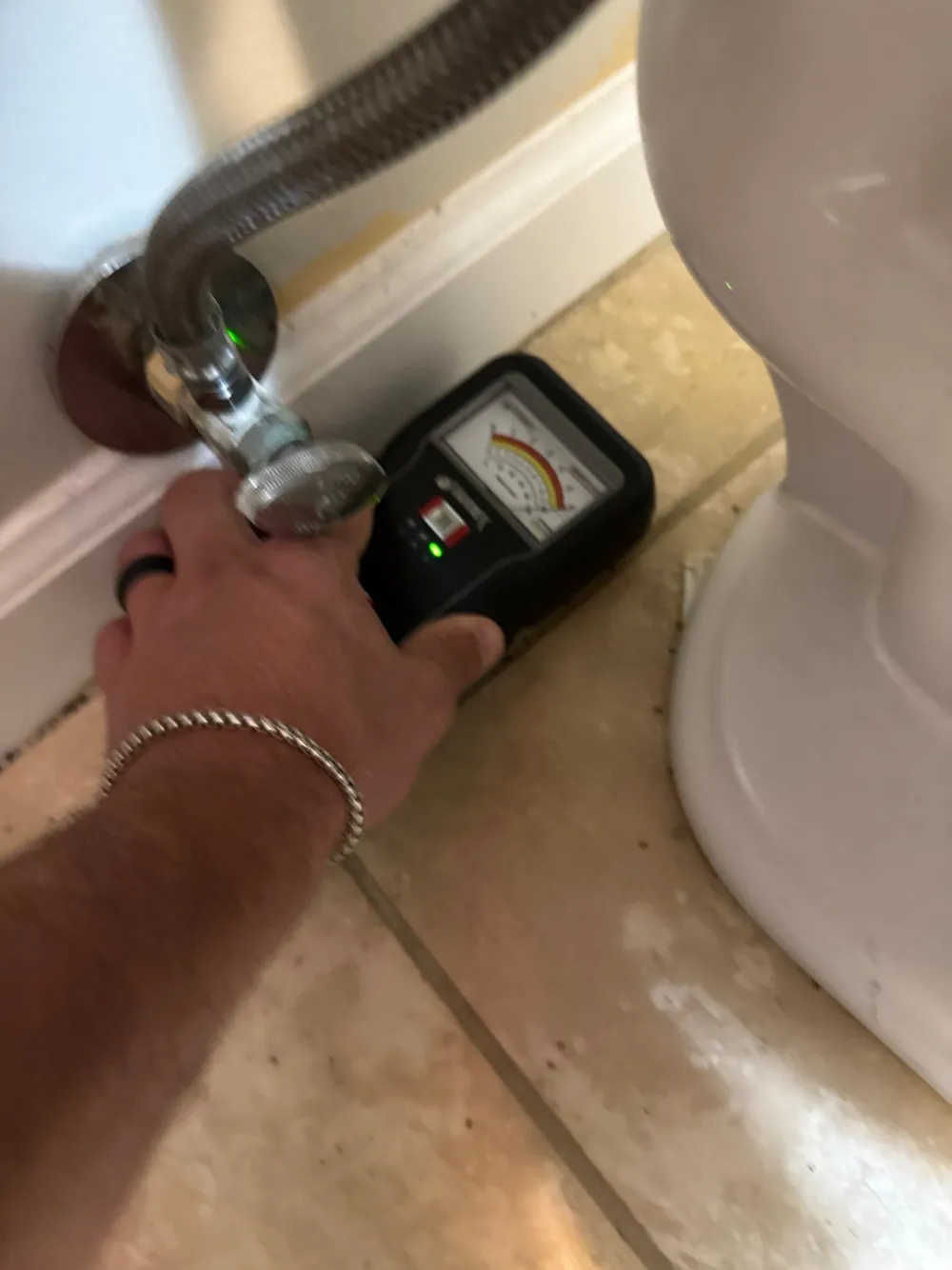
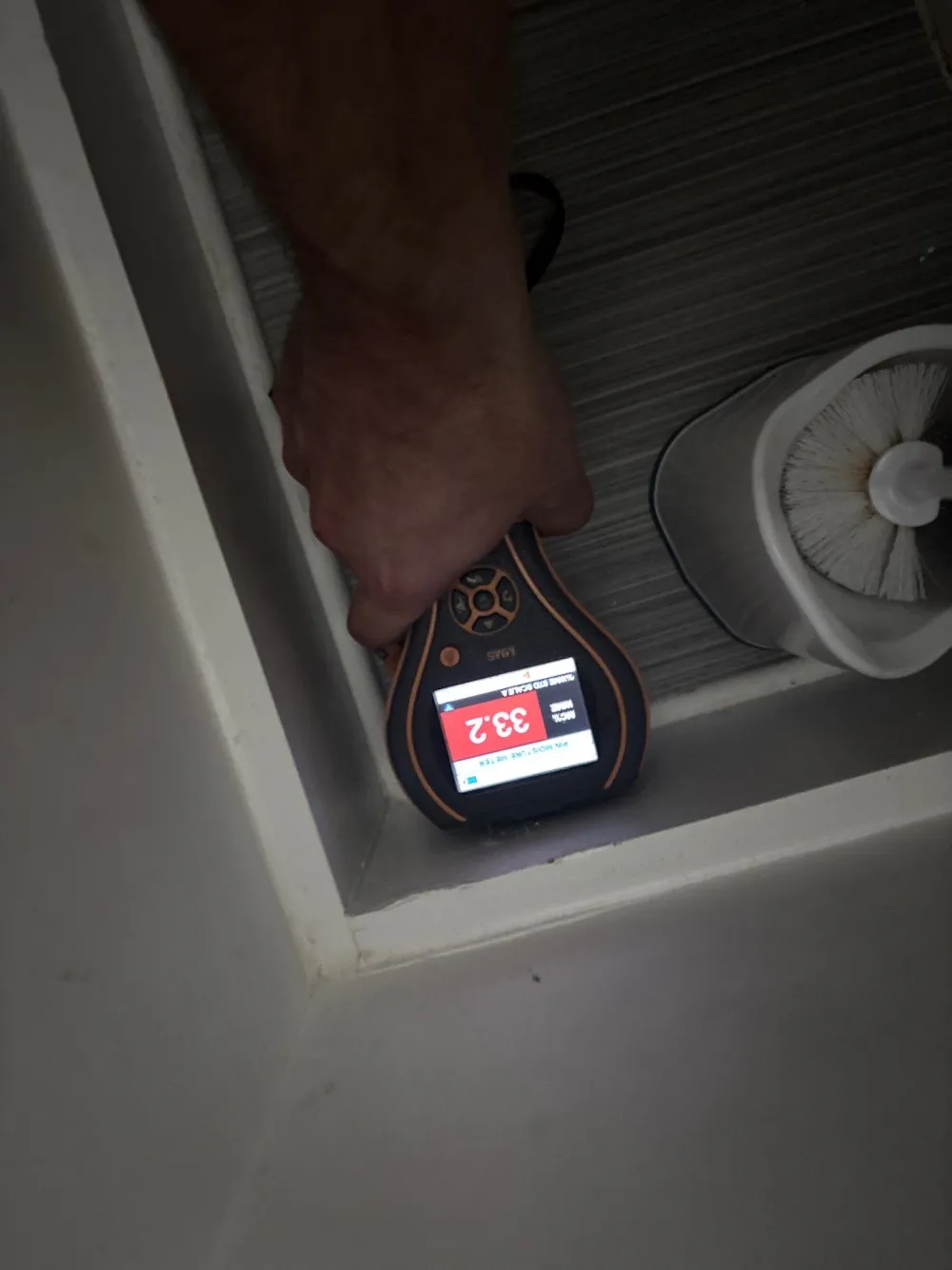
Once the water is off, the clock is what matters. We begin by working to pull the standing water out of floors, carpet, and subfloor, then move to drying the structure itself. A burst pipe rarely damages only what you can see. Water hides inside wall cavities, under cabinets, beneath flooring, and in the framing, and moisture left behind invites warping and rot long after the surface feels dry. We set commercial air movers and dehumidifiers, take moisture readings throughout the structure, and dry it down to a documented target instead of a guess. Every reading, photo, and step is recorded for your insurance from the first visit. Our full range of water damage restoration services covers the whole job, and once the structure is dry our Renew repair crews put the drywall, trim, and flooring back so the room looks like the pipe never failed.
Why a Fast Response Saves Your Nashville Home
The single biggest factor in what a burst pipe costs you is how fast the water comes out. Give it a head start and clean Category 1 water turns into swollen baseboards, buckled hardwood, and the kind of lingering moisture that breeds mold in a humid Nashville summer. A fast mitigation response is the whole game, which is why we run 24/7 and load the right gear to respond fast when you call, not the next morning. When you reach us, you get a certified local crew that knows the older homes and crawl-space foundations common across Middle Tennessee, handles the insurance paperwork, and stays on the job until the moisture readings say it is truly dry. We are IICRC certified, licensed, and insured, and we treat a 2 AM pipe burst with the urgency it deserves.
Frequently Asked Questions
How much does burst pipe water damage cleanup cost?
It depends on how much water escaped, how long it sat, and how far it spread. A supply line caught quickly and dried in place costs far less than a drain line that soaked the subfloor and wall cavities overnight. We assess the real damage on site and document everything for your insurance instead of quoting blind. Most sudden burst pipe losses fall under standard homeowner coverage, which changes what actually comes out of your pocket.
How quickly can you respond to a burst pipe?
Fast. We run 24/7 out of Nashville and load extraction and drying equipment before we leave, so we can respond fast rather than the next morning. With a burst pipe, that speed is everything, because water spreads through floors and walls by the minute. If you have already closed your main valve by the time we arrive, we go straight to pulling the water back out.
Does homeowners insurance cover a burst pipe?
Usually, yes. Most standard homeowner policies cover sudden and accidental water damage, and a pipe that bursts on its own is a textbook example. Gradual leaks that went ignored are treated differently, which is one more reason to act fast. We record moisture readings, photos, and the full scope from the first visit so your adjuster has what the claim needs. Clear documentation is what gets a burst pipe claim paid.
Can you save my hardwood floors and drywall after a pipe burst?
Often, yes, if we reach the water soon enough. Hardwood dried quickly with the right equipment can flatten back out instead of being torn up, and drywall that has only wicked water partway up can sometimes be dried in place. The longer the water sits, the more that changes. When a material is past saving, our repair crews replace it and finish the room so the damage does not show.
What should I do to stop a burst pipe before you arrive?
Close your main shutoff valve, usually found where the water line enters the home, near the water heater, in the crawl space, or at the meter by the street. That stops the water at the source. If standing water is near outlets or the panel, cut power to that area only if you can do it safely. Then move what you can off the wet floor and call us.