When water floods into your Nashville home, the clock starts immediately. Within minutes it spreads across the floor, and within hours it soaks into the subfloor, wicks up the drywall, and works its way into the wall cavities and framing you cannot see. Emergency water extraction is the first and most urgent step in any water damage job: getting the standing water out fast, before it turns a bad day into a full rebuild. Renew Restoration runs 24/7 across Nashville and Middle Tennessee, and when you call, we load the extraction equipment and head straight to you. The faster we pull the water out, the more of your home we can save.
What Emergency Water Extraction Is
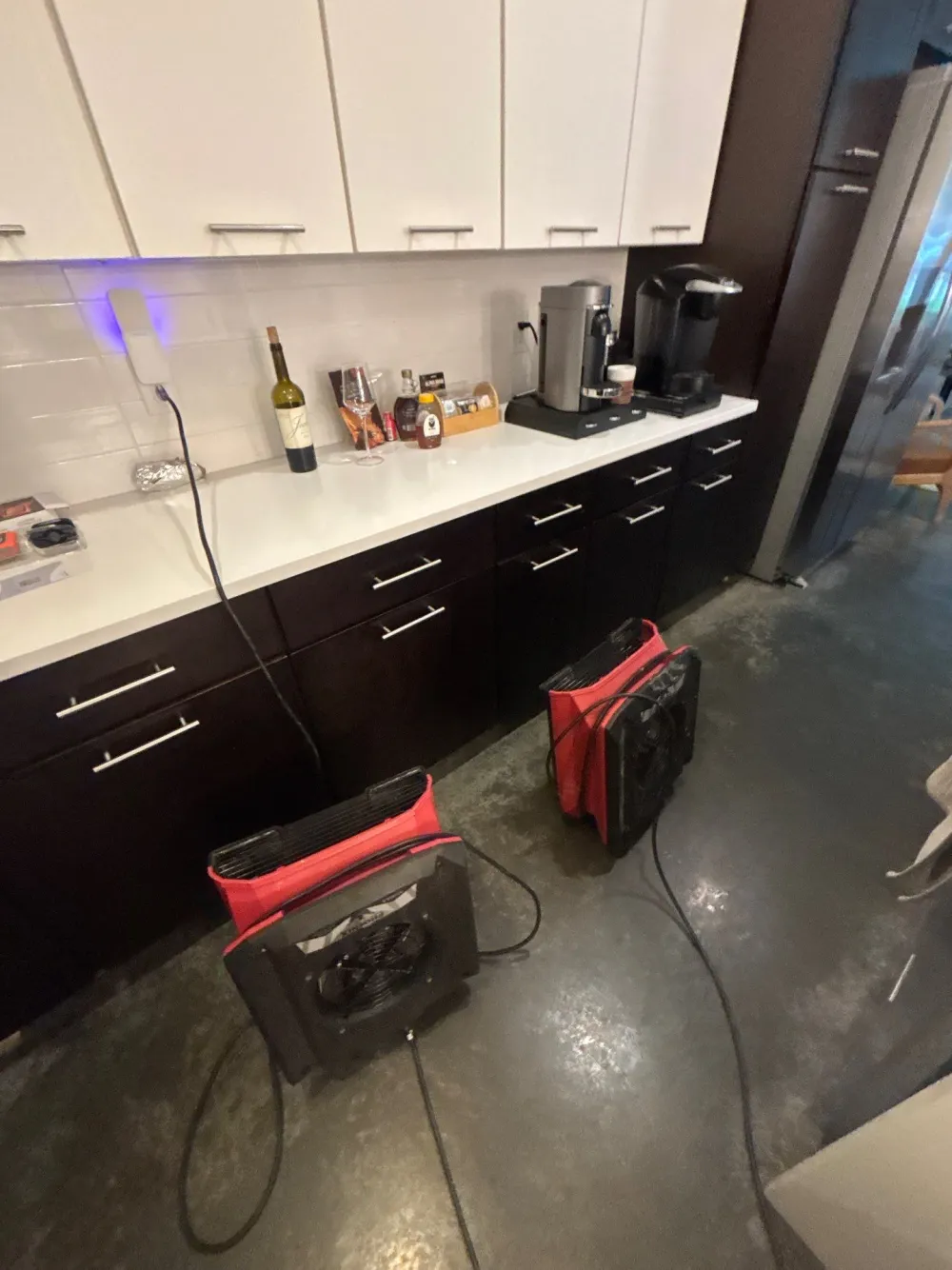
Emergency water extraction is the rapid removal of standing and absorbed water from your home using powerful extraction equipment. It is the opening move of any restoration job, and it sets up everything that follows. Bulk water sitting on the floor is only part of the problem. The real threat is the water that soaks downward into the subfloor and outward into baseboards, drywall, and insulation, where it keeps causing damage long after the visible puddle is gone. Fast, thorough extraction removes as much of that water as possible so the drying phase has less to fight and your materials have a better chance of being saved. Our full range of water damage restoration services starts here, because everything else works better when the water is gone first.
When You Need Emergency Extraction
Water shows up in a lot of ways, and almost all of them are emergencies. A burst or frozen pipe can release hundreds of gallons in an hour. A failed water heater, a supply line behind a washing machine, or an overflowing toilet can flood a room while you are asleep or away. Storms can push water in through the roof or a foundation, and rising water can inundate a whole floor. If the water is coming from outside the home or from a river, our Renew flood crews handle the cleanup and sanitizing that floodwater requires. Whatever the source, the rule is the same. If there is standing water, or if carpet, flooring, or drywall is saturated, you need extraction now, not tomorrow, because the damage only compounds the longer the water sits.
Our Water Extraction Process
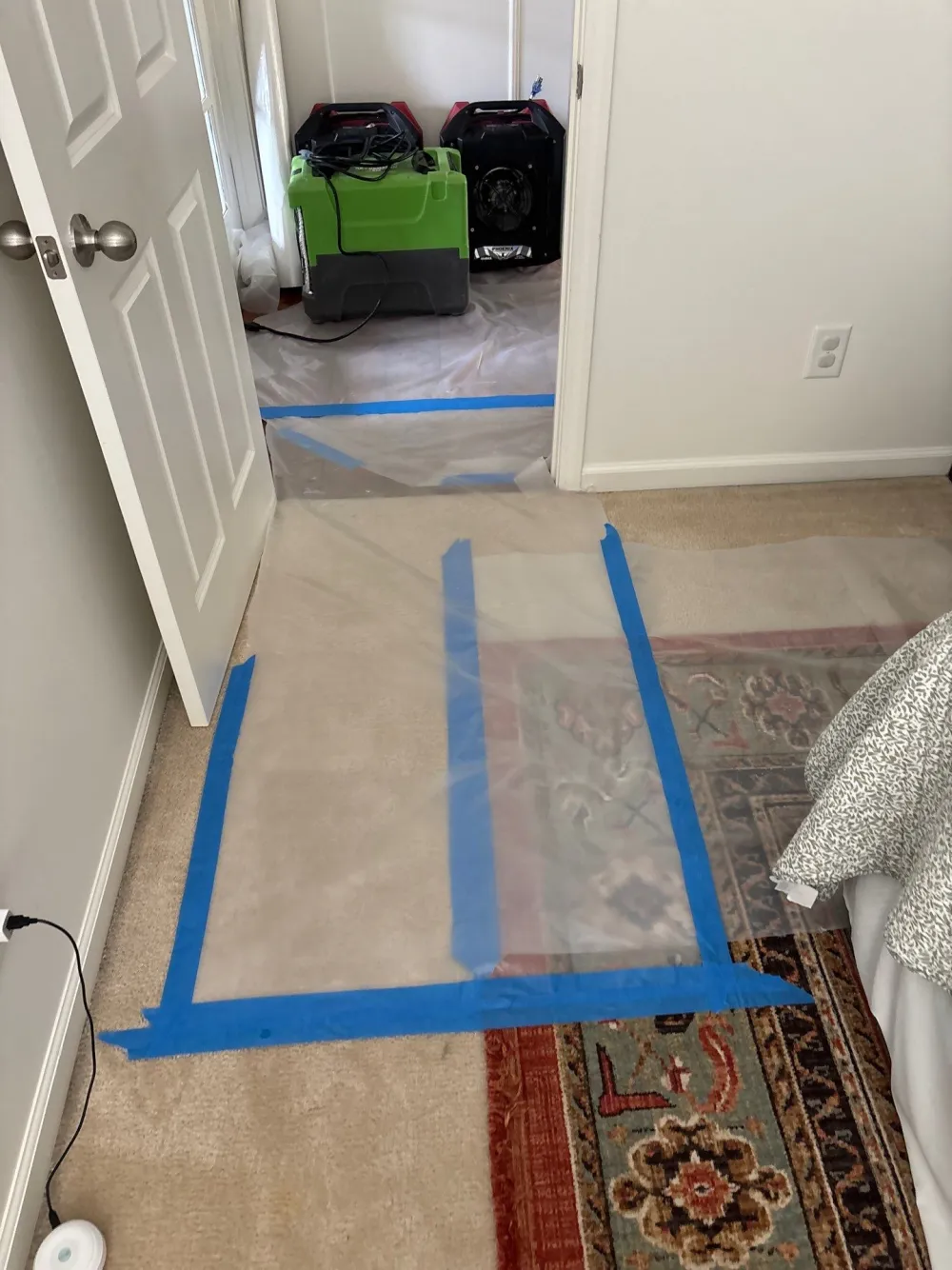
When our crew arrives, the first thing we do is find the source and stop it, because there is no point extracting water while more is still coming in. Next we identify the category of the water, since the source dictates the protocol. IICRC standards sort water into three categories: Category 1 is clean water from a supply line, Category 2 is gray water from an appliance or an overflow, and Category 3 is black water that may carry sewage or contaminants. Each one calls for a different level of protection and handling. Once the source is controlled and the water is classified, we extract. Our extraction units pull standing water off hard floors and out of carpet and pad, and we use moisture meters to trace where the water has traveled so nothing gets missed. Extraction then flows straight into drying out the structure, where commercial air movers and dehumidifiers draw the trapped moisture out and we monitor readings until everything is dry to standard.
Why Fast Extraction Matters in Nashville
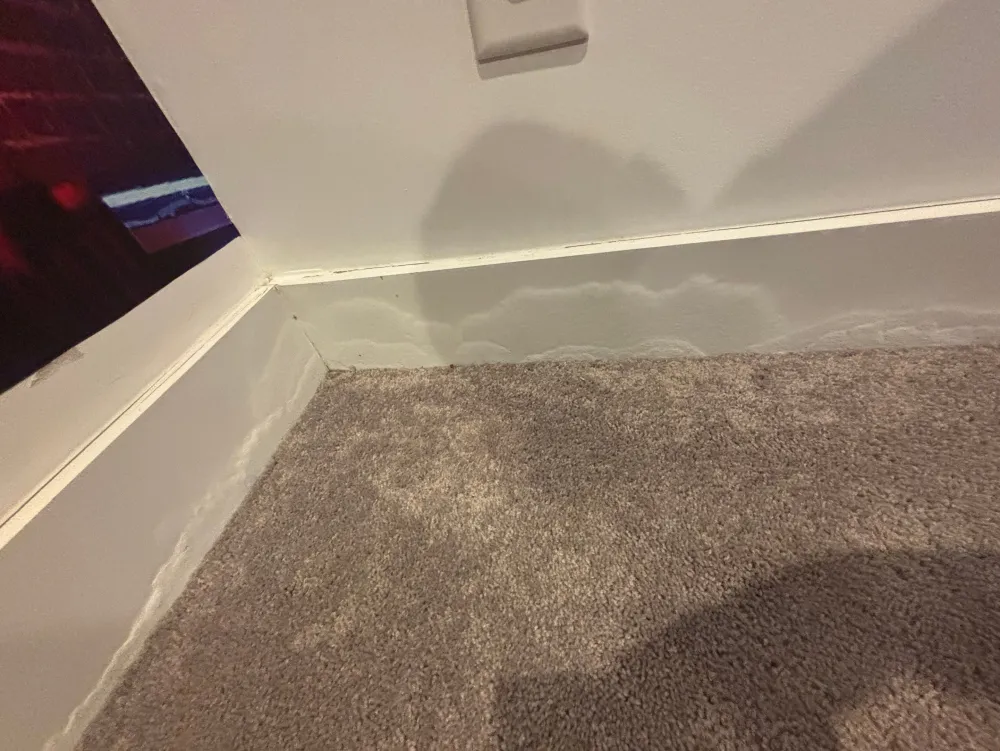
Middle Tennessee is hard on wet buildings. Our summers are humid, which slows natural drying to a crawl and gives mold the warm, damp conditions it needs to take hold within a day or two. Spring storm season brings heavy rain that overwhelms drainage and backs water into low-lying streets, and homes near the Cumberland River carry real flood risk. A lot of Nashville housing is older, too, with aging plumbing that fails without warning and crawl spaces and basements that collect water and hold it against the structure. When water has pooled below grade, our basement extraction crews pump it out and dry the space before it damages your foundation and framing. In this climate, the hours right after a leak matter more than they would somewhere dry, and fast extraction is what keeps a manageable loss from becoming a gut renovation.
Why Choose Renew Restoration
We are a local Nashville crew, not a call center that dispatches a stranger. Our technicians are IICRC certified in water restoration and biohazard certified for the contaminated water that sewage and flooding involve, and we are fully licensed and insured. We answer the phone 24/7, because water does not wait for business hours, and we bring the right equipment on the first trip so we can start extracting immediately. We also document the whole loss from the first visit, moisture readings, photos, and scope of work, so your insurance adjuster has what they need and the claim moves smoothly. Emergency extraction is the front end of our complete water mitigation service, and the goal is always the same: stop the water, dry the structure, and get your home back to normal before small damage becomes a big rebuild.
Frequently Asked Questions
How fast can you extract water from my home?
Fast. We run 24/7 out of Nashville, and in a water emergency every hour counts. Standing water spreads into flooring, drywall, and subfloor by the minute, so we load our extraction gear before we leave and start pumping the moment we arrive. Getting the bulk water out quickly is the single biggest factor in whether your floors and walls can be dried and saved rather than torn out and replaced.
How much does emergency water extraction cost?
It depends on how much water there is, how far it has spread, and the category of the water, since clean water, gray water, and black water each call for a different protocol. We give you a clear scope before we start, not a surprise bill after. Because most sudden water damage is covered by homeowners insurance, we document everything from the first visit so the cost can go to your claim rather than your pocket.
Will my insurance cover water extraction?
Usually, yes. Most standard homeowners policies cover sudden water damage like a burst pipe, an overflow, or an appliance failure, and emergency extraction to prevent further loss is part of that coverage. Flood damage from rising water outside the home typically needs separate flood insurance. Either way, documentation decides the claim, so we record moisture readings, photos, and the full scope from the start and can bill your insurer directly.
What happens after you extract the water?
Extraction is step one, not the finish line. Once the standing water is gone, plenty of moisture is still trapped in your subfloor, drywall, and wall cavities, and that hidden water is what causes warping, swelling, and mold if it is left alone. That is why extraction flows straight into structural drying, where commercial air movers and dehumidifiers pull the remaining moisture out and we monitor readings until the structure is dry to standard.
The water went down on its own. Do I still need extraction?
Yes, more often than you would think. Water that has soaked into flooring, baseboards, and subfloor does not simply evaporate. It wicks sideways and downward into materials you cannot see, so a floor that feels dry on top can hold weeks of trapped moisture underneath. We use moisture meters to find where the water actually went, then extract and dry those areas so the damage does not resurface later as buckled floors or musty odors.