Downtown Nashville sits right on the bank of the Cumberland River, where the honky-tonks of Lower Broadway, the high-rise condo towers along Church Street, and the century-old warehouses off Second Avenue all crowd into a few riverfront blocks. In a single-family house a leak stays on one level, but downtown you are stacked, and a burst supply line on the fourteenth floor can send water down through a dozen homes before anyone finds the source. When that happens, Renew Restoration answers 24/7 with the extraction and drying equipment to stop it fast. We are based a short drive away near Music Row, and we know these buildings.
How Water Travels Down a Downtown High-Rise
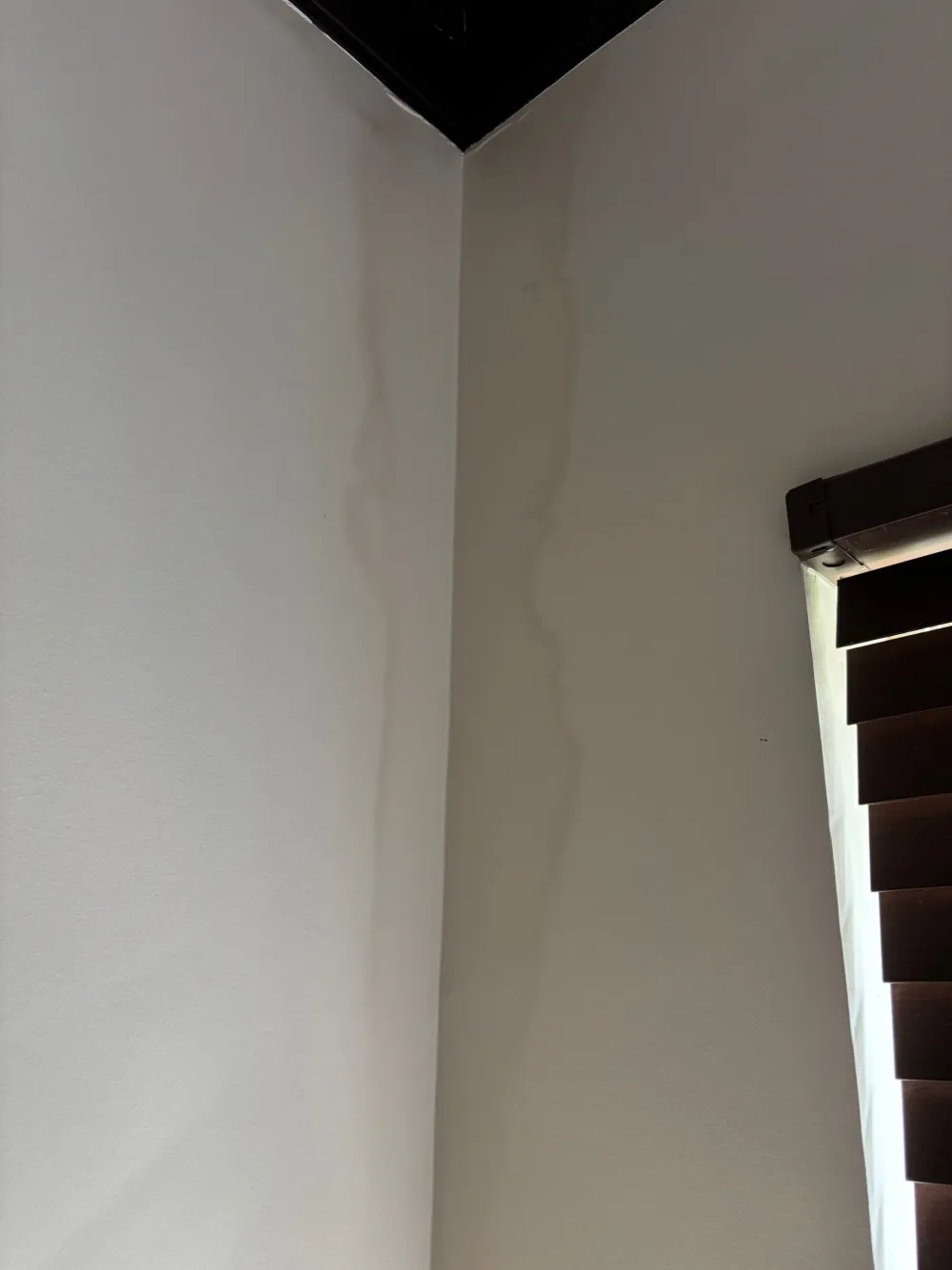
The thing that makes downtown water damage its own problem is gravity. Most residents here live in towers like the Viridian and the Encore, in loft conversions off Second through Fifth Avenue, or in older buildings that were remodeled unit by unit. Every one of those homes shares floors, ceilings, and plumbing stacks with the units around it. When a washing machine hose lets go, a water heater fails, or a toilet overflows on an upper floor, that water does not stay put. It runs along the subfloor, pours through light fixtures and HVAC chases, and soaks the ceilings and walls of every unit beneath it. By the time it reaches the ground floor it may have touched five or ten homes. That is why speed and vertical containment matter more downtown than almost anywhere else. Our first move is to get the standing water out of the source unit, and because so much of the damage in a high-rise shows up overhead, our crews open, dry, and save the damaged ceilings and wall cavities below before the sheetrock sags and drops.
The Cumberland River and the 2010 Flood Downtown
Downtown wraps around the Cumberland, and the river has come over its banks before. In May 2010, more than a foot of rain fell on Middle Tennessee in two days, the Cumberland rose to a record height, and the water poured into the heart of downtown. It filled the lower levels of the Schermerhorn Symphony Center with roughly twenty-four feet of water, destroying two Steinway concert grand pianos and the hall pipe organ. It put water on the floor of Bridgestone Arena and into the mechanical room of the Country Music Hall of Fame, and it caused billions of dollars in damage across the region. A once-in-a-generation river flood is only part of the risk downtown, though. The basements, loading docks, parking garages, and ground-floor retail spaces that fill this district are the lowest points for blocks, so heavy storms and drainage backups tend to collect right where the most expensive finishes and equipment sit. Floodwater is rarely clean, and standing water in a garage or basement has to be treated as contaminated, extracted, and dried to standard rather than simply pumped out.
Condos, Lofts, and Converted Warehouses
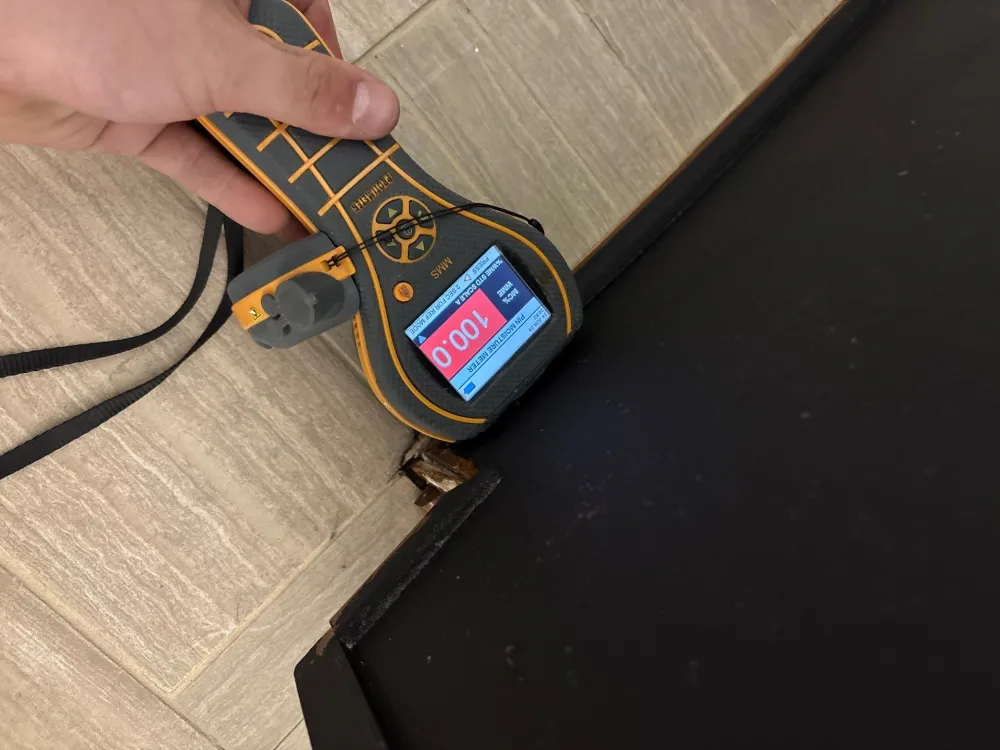
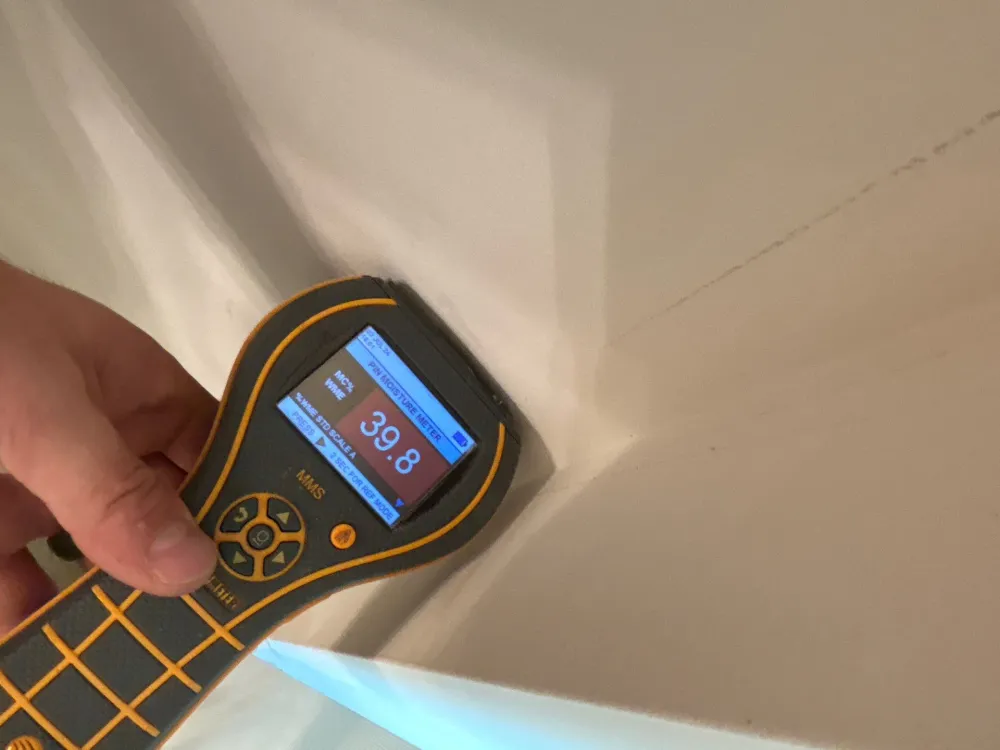
Downtown housing splits into a few distinct types, and each one dries differently. The high-rise condo towers that went up in the mid-2000s, buildings like the Viridian and the Encore, are concrete and steel with long plumbing runs and shared mechanical systems, so a leak in a riser or a fan-coil unit can reach several floors at once. The loft conversions along Second through Fifth Avenue were carved out of century-old brick warehouses, and behind their exposed brick and timber you often find original masonry, old wood decking, and plumbing that was retrofitted decades after the building went up. Both kinds of home hold moisture in places you cannot see, inside chase walls, above dropped ceilings, and under floating floors laid over concrete slab. We use moisture meters and thermal imaging to find every wet cavity, dry the structure with commercial air movers and dehumidifiers, and once everything reads dry, our Renew repair crew puts the drywall, trim, and flooring back the way it was.
Broadway, Ground Floors, and the Crowds Downtown
The ground floors of downtown are a district of their own, the honky-tonks, restaurants, and shops of Lower Broadway, the hotels, and the office lobbies. Those spaces run wet appliances, ice machines, and commercial kitchens hard, and they sit directly under residential floors, so a failure upstairs or down crosses between them quickly. The pressure goes up when downtown is packed. For four days every June, CMA Fest fills Broadway and the riverfront with free stages and hundreds of thousands of fans, and the New Year's Eve crowds jam the same blocks in the cold, when a pipe is far more likely to freeze and burst. A water emergency during a peak weekend, with a full building and streets closed to traffic, is exactly the kind of call we plan for, and we work around the crowds and the building hours to keep the damage from spreading.
We Know Downtown Nashville
Renew is a homegrown Nashville crew that knows this riverfront core along the Cumberland, not an out-of-town franchise dispatching a stranger to a building it has never set foot in. We work downtown, from the tower lobbies along Church Street to the loft blocks off Second Avenue, and we understand what these buildings need in an emergency: fast access, coordination with building management and security, and drying that protects every connected unit. Every downtown job is backed by our full range of water damage restoration services, from emergency extraction and structural drying to complete documentation for your insurance and your HOA. Whether the water came from the river, a burst riser, or an overflow ten floors up, the goal of stopping the water and drying it out is the same. Stop the source, dry the structure fast, and get your home or business back before small damage turns into a gut renovation. When you call, you reach a certified local crew, not a call center.
Frequently Asked Questions
How fast can you reach a downtown condo or high-rise?
Fast. We run 24/7 and we are based near Music Row, a short drive from downtown, so we can reach the towers along Church Street or the lofts off Broadway quickly. Water damage in a high-rise gets worse by the minute as it spreads to the units below, so we arrive already stocked with extraction and drying equipment and get straight to work. A fast response is often the difference between drying one unit and repairing several.
What is the water risk in a downtown high-rise?
Two things. First, vertical travel. A burst supply line or overflow on an upper floor runs straight down through the units beneath it, so your ceiling can flood from a leak you never caused. Second, the riverfront core sits low, so ground-floor retail, basements, and parking garages are exposed to storm flooding, as the 2010 flood that swamped downtown landmarks showed. Both call for fast extraction and thorough vertical drying.
Do you coordinate with building management and the HOA?
Yes, and downtown that matters. A water loss in a condo tower or converted warehouse usually involves shared walls, common systems, and more than one owner, so access, shutoffs, and drying have to be coordinated with building management, security, and often the HOA. We work with them on entry and after-hours access, and we document the source, the affected units, and the full scope so responsibility and the insurance claim stay clear from the start.
Will insurance cover water damage in my downtown condo or loft?
Usually, though condos work differently than houses. Your building master policy typically covers the structure and common areas, while your own condo policy covers the interior of your unit and your belongings. Sudden damage from a burst pipe or a failed appliance is generally covered, but river or surface flooding needs separate flood coverage. Documentation decides the claim, so we record moisture readings, photos, and scope from the first visit for your adjuster and the building.