Pulling the standing water out of your Nashville home is only half the job. The water you can see is gone in an afternoon, but the water you cannot see, the moisture soaked deep into subfloor, drywall, framing, and insulation, is what quietly wrecks a home in the days that follow. Structural drying is the phase that removes that hidden moisture and brings your home back to a genuinely dry, stable, safe condition. Renew Restoration dries homes across Nashville and Middle Tennessee with commercial air movers, dehumidifiers, and the Applied Structural Drying methods the restoration industry is built on, and we do not call a job finished until the readings say your home is dry. It is the difference between a home that looks dry and one that is dry.
What Applied Structural Drying Is
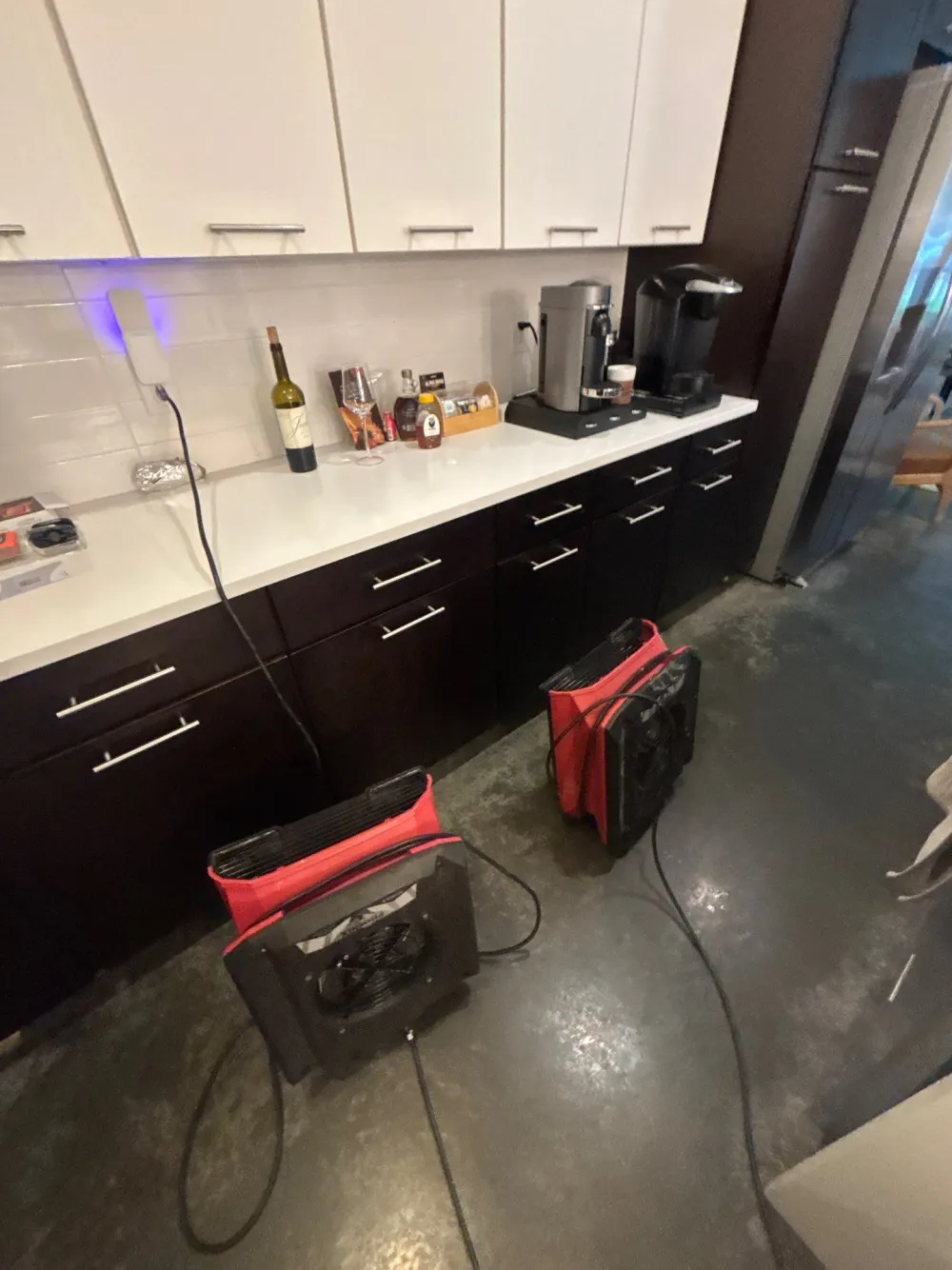
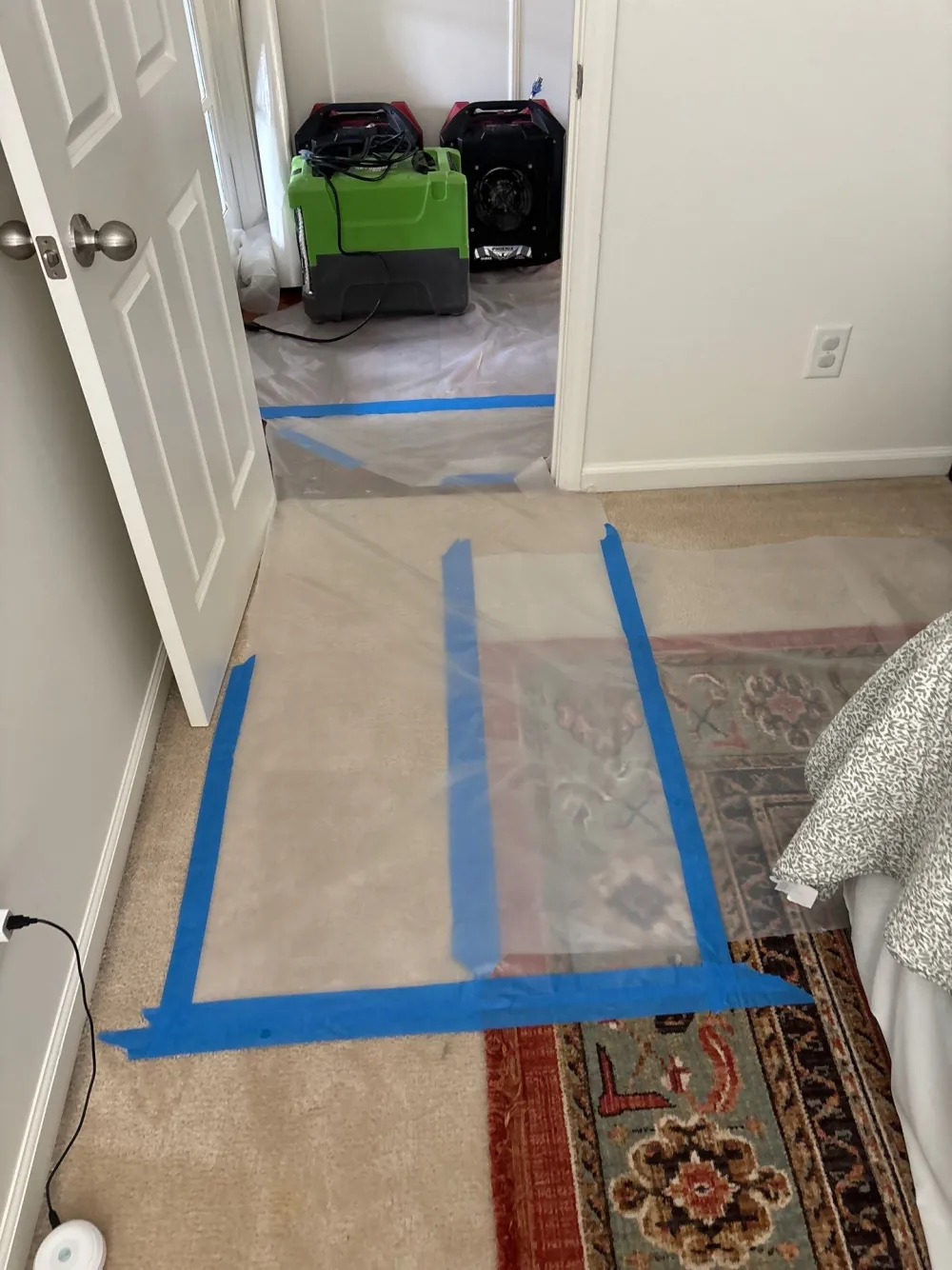
Applied Structural Drying, or ASD, is the science of drying the structure of a building from the inside out, not simply wiping up what sits on the surface. Wet materials release their moisture into the air through evaporation, and drying is really about controlling that exchange so the water leaves your home for good instead of migrating from one material to another. Our crews manage four things at once: air movement, humidity, temperature, and evaporation. High-velocity air movers sweep air across wet floors, walls, and framing to lift moisture off the surface, while commercial dehumidifiers pull that moisture out of the air and drain it away before it can settle back into a dry wall across the room. Balancing those forces is what turns a wet structure into a dry one, and it sits at the center of every water damage restoration job we run. Done correctly, ASD saves materials that would otherwise be cut out and hauled to the curb.
Why Drying, Not Just Extraction, Prevents Mold
It is tempting to think the danger has passed once the standing water is gone, but that is exactly when the slower, costlier damage begins. After our crews get the standing water out, the drywall, wood, and insulation left behind are still saturated, and damp organic material is everything mold needs to take hold. In the warm, humid conditions common here, mold can begin to grow within a day or two, feeding on the very moisture that extraction alone leaves behind. Structural drying is what closes that window. By driving the moisture content of your walls, subfloor, and framing back down below the level mold requires, thorough drying stops the growth before it starts rather than treating it after. Swelling, cupping, buckled floors, and that musty smell that never quite fades all trace back to the same root cause, material that was extracted but never actually dried.
Moisture Mapping and Daily Drying Logs
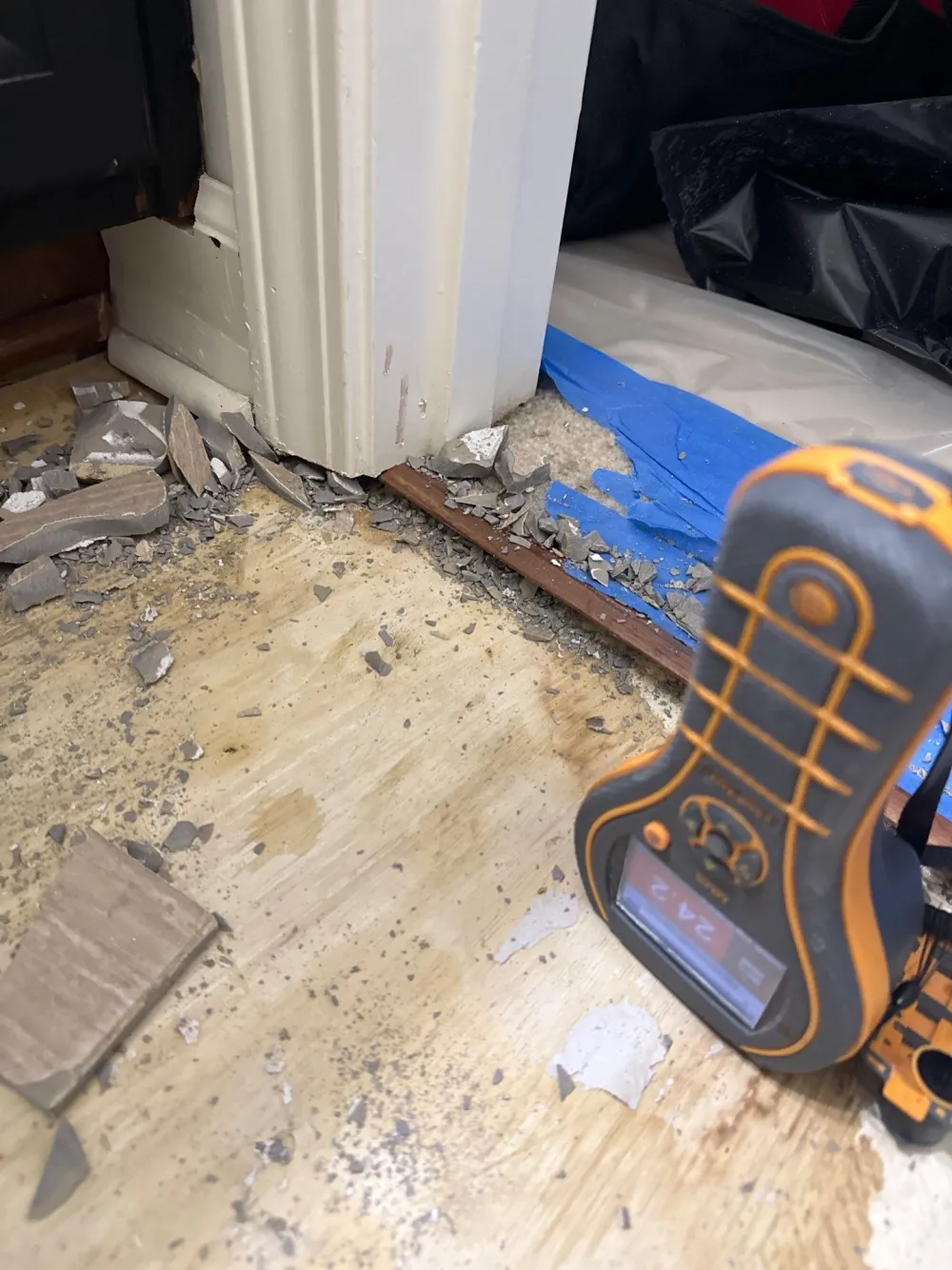
You cannot dry what you cannot find, so every drying job begins with mapping the moisture. When our technicians arrive, they use pin and pinless moisture meters and infrared cameras to trace how far the water has traveled, because moisture wicks sideways into baseboards and upward into drywall well beyond the visible wet line. That map tells us which materials are affected, where to place equipment, and what we are aiming for. From there we set a drying goal and check progress every day. Daily monitoring means taking fresh moisture readings, tracking the temperature and relative humidity in the space, and recording it all in a drying log so we can watch the structure trend toward dry and adjust the equipment the moment a spot falls behind. Those logs do double duty. They keep the drying on schedule, and they hand your insurance adjuster a clear, dated record of the readings and the work performed. Moisture that hides inside the walls gets particular attention, and where it is sealed in the wall assembly itself our in-wall drying reaches it without tearing the room apart.
Drying to the Dry Standard
Dry is not a feeling, it is a measurement. Before we call a home dry, we establish what the industry calls the dry standard, the normal moisture content of the materials in your home when they are not wet. We find it by measuring materials of the same type in an unaffected part of the house, a run of subfloor or drywall the water never reached, and that reading becomes the target. Then we dry the affected materials down until their moisture content matches that baseline. This matters because wood and drywall that feel dry to the touch can still hold enough moisture to warp, rot, or grow mold weeks later. Different materials carry different dry standards, and hardwood in particular holds moisture in ways that call for a careful, measured approach, which is why our Renew crew dries hardwood floors to the same readings rather than guesswork. When the numbers across your home match the dry standard, the job is truly finished, not just dry on the surface.
How Nashville Humidity Fights the Drying Process
Drying a home in Middle Tennessee is not the same as drying one in a dry climate, and it is a big reason box fans and open windows fall short here. For much of the year Nashville air is heavy with moisture, and our humid summers and stormy springs push outdoor humidity high. When the air is already damp, evaporated moisture has nowhere to go, and simply opening the windows can pull more humid air into the house and stall the drying entirely. That is why we build a controlled drying environment and let the dehumidifiers carry the load, removing moisture from the air faster than the Nashville climate can put it back. Older homes across the city add to the challenge, with crawl spaces and lower levels that trap dampness against the structure long after the surface looks dry. Understanding how the local climate works against you is a large part of drying a home correctly in this region, and it is why commercial equipment and steady monitoring matter more here than they might somewhere arid.
Why Nashville Homeowners Choose Renew Restoration
Structural drying is where a restoration job is won or lost, and it rewards doing things by the book. Our technicians are IICRC certified in water restoration and biohazard certified for the contaminated water that flooding and sewage can involve, and we are fully licensed and insured. We answer the phone 24/7, bring commercial drying equipment on the first trip, and document every reading from the first visit so your claim moves smoothly. Drying is the heart of how we handle water damage from start to finish, and the goal never changes: return your Nashville home to a dry, stable, healthy condition and give small damage no room to grow into a major rebuild. If your home has taken on water, do not leave it to dry on its own. Call Renew Restoration and let us dry it right the first time.
Frequently Asked Questions
How long does structural drying take?
It usually takes about three to five days, though the exact time depends on how much water there was, which materials got wet, and the category of the water. Dense materials like hardwood and plaster hold moisture far longer than carpet or drywall. We monitor the readings every day and keep the equipment running until your home reaches its dry standard, so the timeline is driven by the numbers, not by the calendar.
Can I just dry it out with fans and open windows?
In Nashville, almost never. Household fans move a little air but cannot pull moisture out of it, and opening windows on a humid Middle Tennessee day often draws damp outdoor air in and makes things worse. Water trapped in subfloor, framing, and wall cavities needs commercial air movers working alongside dehumidifiers to actually leave your home. Without that equipment, the surface dries while the structure underneath stays wet and starts to rot or grow mold.
How do you know when my home is actually dry?
We measure it. At the start of the job we find the normal moisture content for your materials by testing an area the water never reached, and that reading becomes the dry standard. We then dry the affected areas until they match. Because we take and log those readings every day, we can prove your home is dry rather than guess. A floor that feels dry on top can still be soaked underneath, so we trust the meter, not the hand.
Does insurance cover structural drying?
Usually, yes. Structural drying is considered part of mitigating the loss, and most standard homeowners policies cover the equipment and labor needed to dry your home after sudden water damage like a burst pipe or appliance failure. Documentation is what gets it approved, so we record moisture readings, photos, and daily drying logs from the first visit and can share that record directly with your adjuster.
Will drying really prevent mold?
Thorough drying is one of the best defenses you have, because mold cannot grow without moisture. By drying your walls, subfloor, and framing back below the moisture level mold needs, we take away the conditions it depends on before it can take hold. Speed matters, since mold can start within a day or two, which is why we begin drying right after extraction and focus on prevention during the drying process.