A sewage backup is not like other water damage, and it cannot be treated like it. When a toilet overflows at the drain, a floor drain erupts, or the main line pushes waste back into your Nashville home, you are dealing with Category 3 water, the most contaminated class the restoration industry recognizes. It carries bacteria, viruses, and parasites that turn the affected area into a genuine health hazard, not just a mess to mop up. At Renew Restoration, our biohazard certified crews respond 24/7 to contain the contamination, remove it safely, and sanitize your home back to a safe standard. This is one job you do not want to face with a bucket and a pair of gloves, and the longer black water sits, the more of your flooring, drywall, and belongings it takes with it.
Why Sewage Is Category 3 Black Water
Restoration crews classify every water loss by how contaminated the water is, because the source of the water dictates the protocol. Category 1 is clean water from a supply line or a fresh fill. Category 2 is gray water, lightly contaminated, the kind that drains from a washing machine or a dishwasher. Category 3 is black water, and sewage sits squarely at the top of that list. It is grossly unsanitary and can contain raw waste, chemicals, and disease causing organisms. Floodwater that has traveled across the ground is handled the same way, which is why cleaning up after a flood follows a similar containment and sanitizing standard. What makes a Category 3 loss different is that you cannot simply dry it and move on. Anything porous the water has touched is presumed contaminated, and the space has to be disinfected, not just dried.
What Causes Sewage Backups in Nashville Homes
Most sewage backups trace to a blockage somewhere between your fixtures and the city main. In older Nashville neighborhoods, that often means tree roots working their way into aging clay or cast-iron sewer laterals, a slow problem that finally chokes the line completely. Grease, wipes marketed as flushable, and years of buildup do the rest. Then there is the weather. Middle Tennessee spring storms can dump enough rain to surcharge the municipal system, and when the public sewer is full, the overflow has nowhere to go but back up the lowest drains in your house. That is why backups so often surface in a basement or a crawl-space bathroom first, and why our Renew basement crews deal with sewage as much as clean water. Homes with older plumbing and low-lying drains are the most exposed, and one blocked main can back up every fixture on that line at once.
The Real Reason DIY Sewage Cleanup Is Dangerous
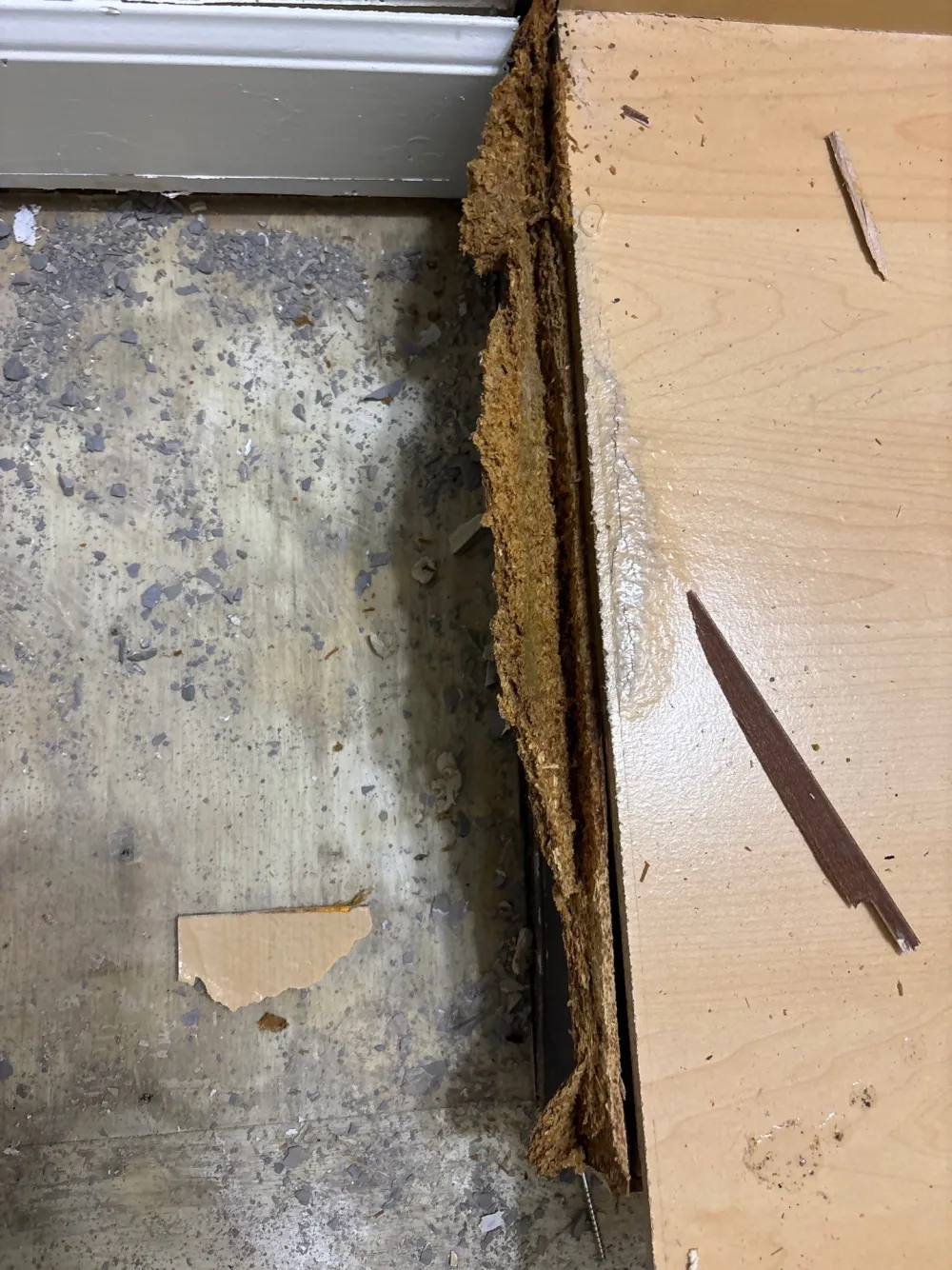
It is tempting to grab a mop and start pushing water toward the drain, but sewage is exactly the wrong place to do it. Raw waste can carry E. coli, hepatitis, and other pathogens that spread through direct contact and through the air as the water sits and aerosolizes. Without a respirator, gloves, boots, and proper containment, you are not cleaning the problem, you are breathing it in and tracking it through the rest of the house. There is also a salvage problem. Carpet, padding, drywall, and particleboard soak up contaminated water and hold onto it, and no amount of surface mopping makes them safe again. Those materials have to be removed and disposed of correctly, and the structure underneath has to be disinfected. This is skilled, hazardous work, and it is the reason a sewage backup calls for a certified crew rather than a weekend cleanup.
How We Clean Up and Sanitize a Sewage Backup
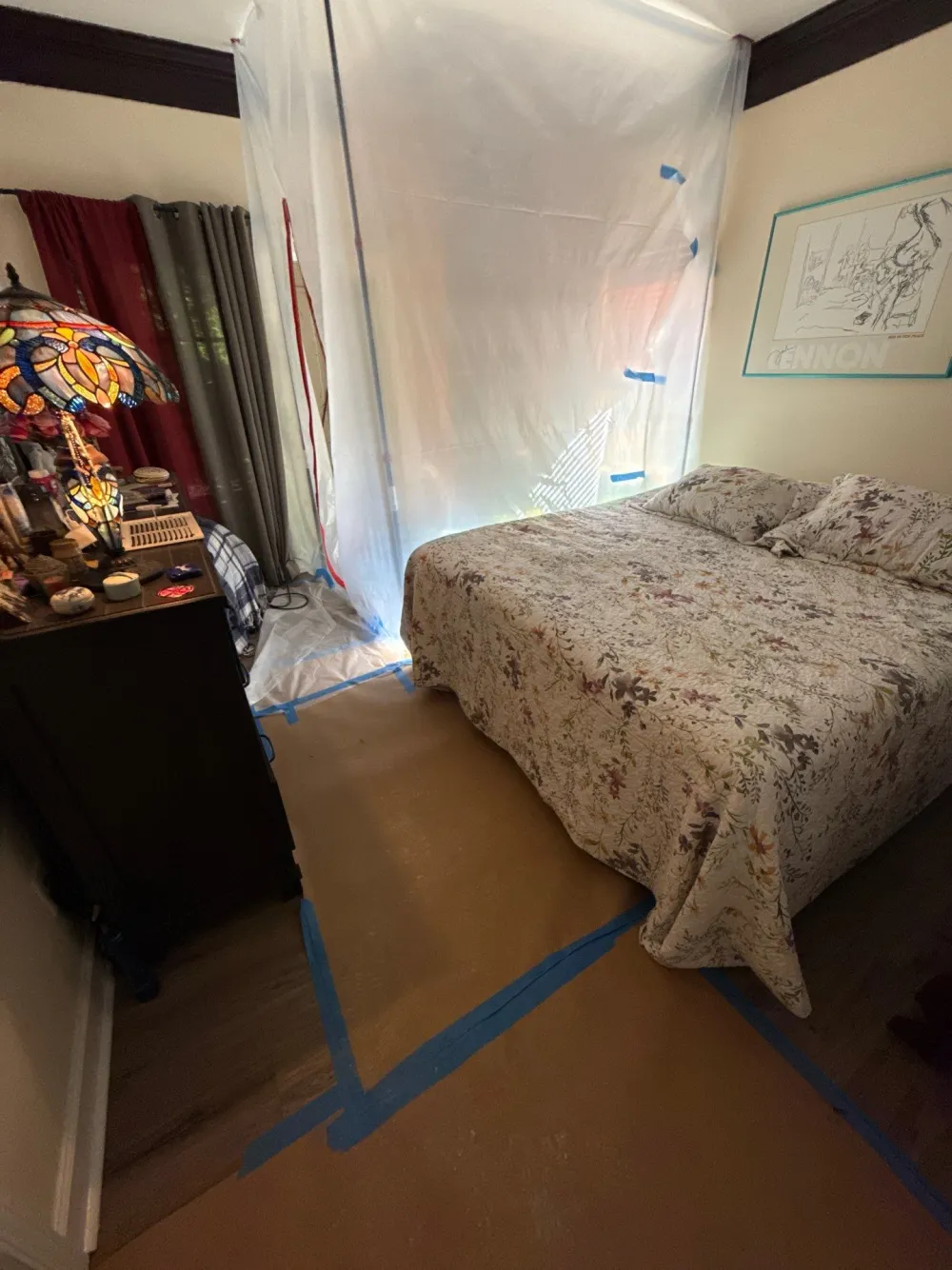
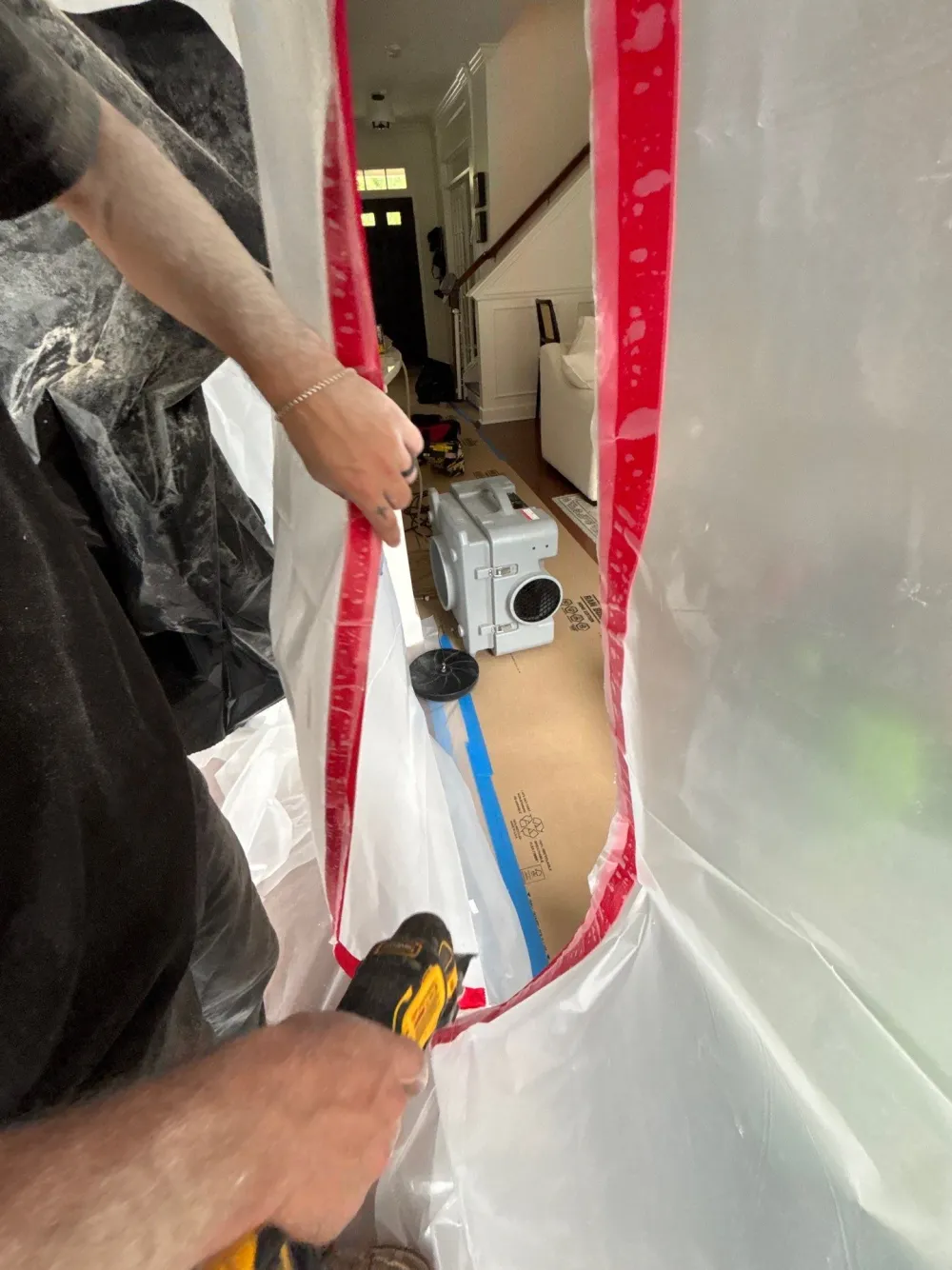
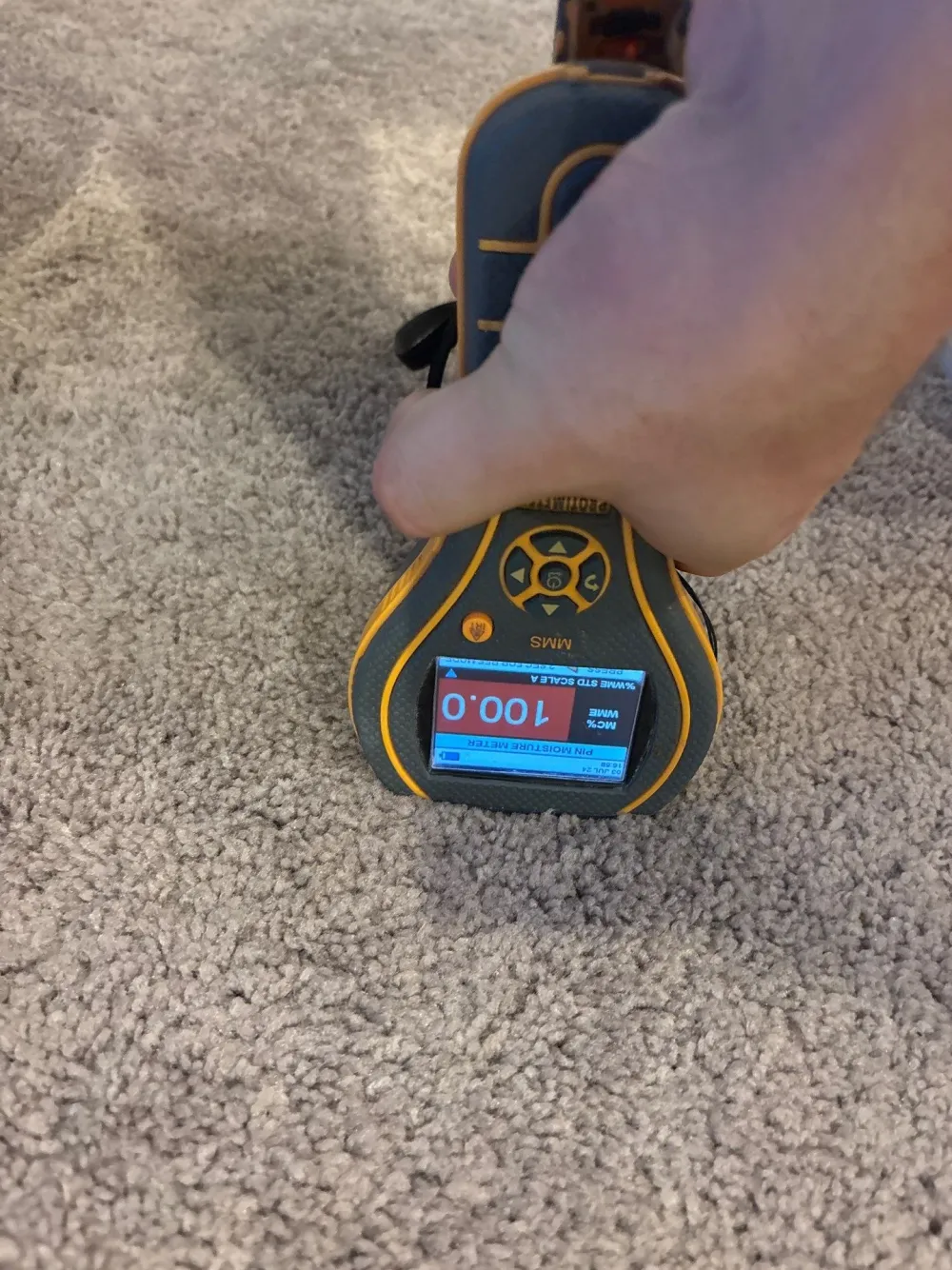
Every sewage job starts with containment. We isolate the affected area so the contamination does not spread, then our crews suit up in full protective gear before anything else happens. From there we extract the standing black water, remove and bag the porous materials that cannot be saved, and clean every hard surface that remains. Next comes the part that separates sewage work from an ordinary water cleanup, we apply hospital grade antimicrobial treatments to disinfect the structure, floor to affected height, and run HEPA equipment to clear the air. Only once the space is clean and sanitized do we move to drying the structure, pulling the remaining moisture out of the framing and subfloor with commercial air movers and dehumidifiers so nothing is sealed up damp. Throughout the job we document everything for your insurance, because a contaminated loss needs a clear record of what was removed and why.
Biohazard Certified, Local, and Available 24/7
Sewage does not wait for business hours, and neither do we. Renew Restoration is IICRC certified, biohazard certified, and licensed and insured, and we run our full range of water damage restoration services out of Nashville around the clock. When you call, you get a local crew that understands the older homes, crawl spaces, and storm patterns of Middle Tennessee, and that treats a Category 3 loss with the caution it demands. We contain it, remove it, sanitize it, and dry it, and we handle the insurance documentation so you can focus on getting your home back. A sewage backup is stressful and genuinely unsafe, but it is also very much fixable with the right team on it fast.
Frequently Asked Questions
How much does sewage cleanup cost in Nashville?
Cost depends on how far the sewage spread, how much porous material has to be removed, and how much sanitizing and drying the space needs. A contained backup in one bathroom is far less involved than sewage across a finished basement. We give a clear estimate after we assess the loss in person, and because most backups involve removal and disposal, we document everything so your insurer sees the full scope.
Does homeowners insurance cover a sewage backup?
Not always. Many standard homeowner policies exclude sewer and drain backups unless you carry a specific backup endorsement, so it is worth checking your declarations page. Where coverage does apply, documentation decides the claim. We record photos, moisture readings, and an itemized scope of what was removed and sanitized from the first visit, which gives your adjuster exactly what they need on a contaminated loss.
How long does sewage cleanup take?
Most residential sewage cleanups take a few days from start to finish. Extraction, removal, and sanitizing usually happen on the first visit, then drying runs another two to four days depending on how saturated the framing and subfloor are. We monitor moisture the whole time and do not call a job done until the structure is dry and the affected area tests clean.
Do I need to leave my home during sewage cleanup?
It depends on where the backup is and how far it spread. If the contamination is contained to one area we can seal off, you can often stay in the unaffected part of the house. If sewage has reached shared living space or the HVAC system, we may recommend staying elsewhere until the area is sanitized, especially for anyone with a weakened immune system, young children, or breathing issues. We will tell you honestly what is safe.
What should I do right after a sewage backup?
Keep everyone, including pets, away from the affected area and do not walk through it. If you can safely reach the shutoff or stop using fixtures on that line, do so to keep more from backing up. Do not run the HVAC, which can spread contaminants, and do not try to clean it yourself. Then call us. The sooner we contain a Category 3 loss, the less it spreads and the more we can save.