
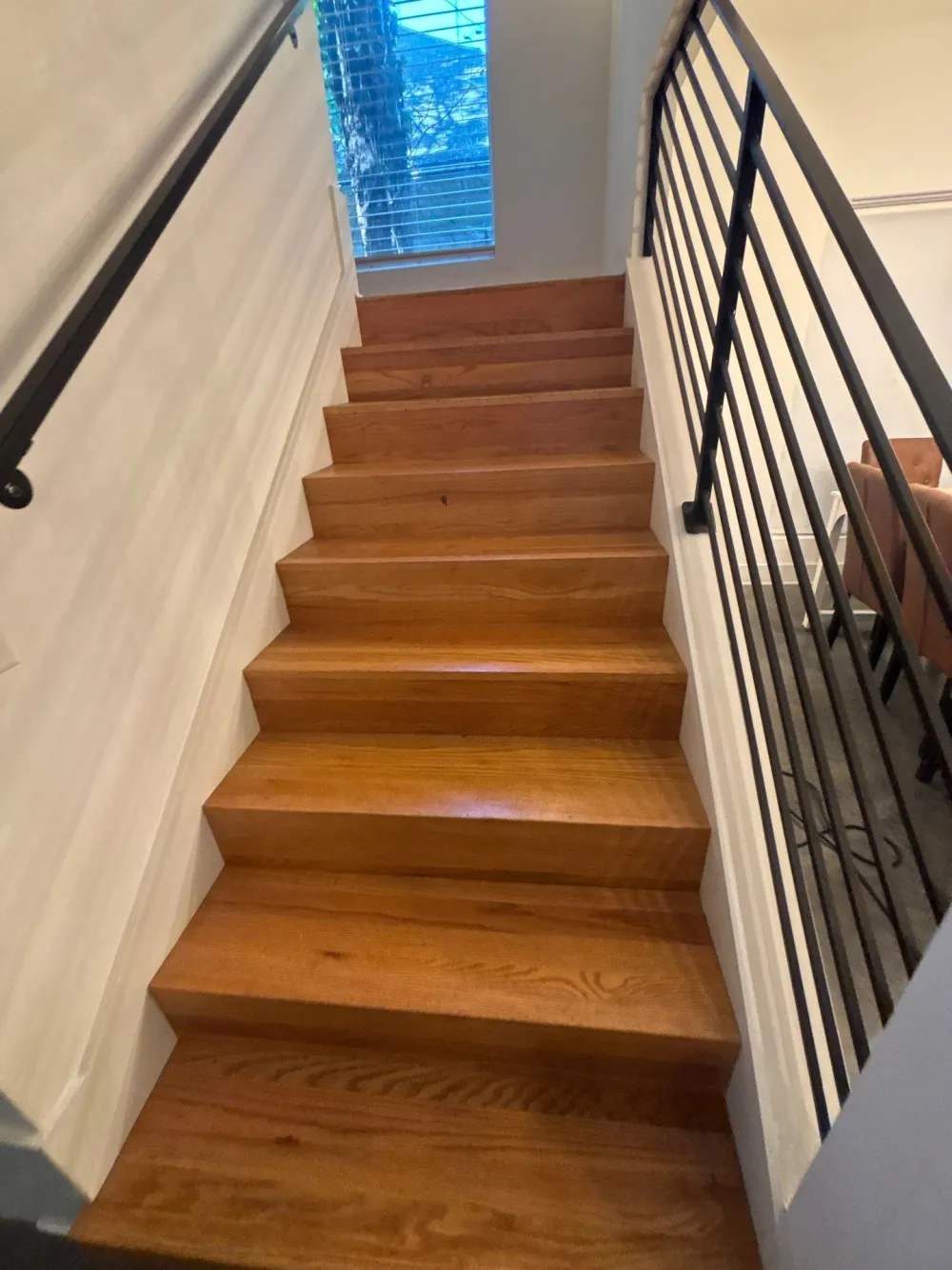
Of everything water can ruin in a Nashville home, a hardwood floor is one of the most painful to lose and one of the most savable if you act fast. Wood is porous. The moment water reaches it, the boards start drinking it in, swelling, and pushing against each other and against the subfloor beneath them. Left alone, a wet hardwood floor cups, warps, and lifts until replacement is the only path forward. Caught early and dried the right way, that same floor often flattens back out and lives on for decades. At Renew Restoration, saving hardwood floors in place, instead of tearing them out, is one of the things we do best, and our crews are on call 24/7 across Nashville and Middle Tennessee, ready to get the water out fast.
Cupping, Crowning, and Buckling: How Water Warps Wood
Water damage in a hardwood floor almost always shows up in one of three shapes, and each one tells us something. Cupping is the most common: the edges of every board rise higher than the center, giving the floor a subtle washboard feel underfoot. It happens when the underside of the wood takes on more moisture than the top, so each board swells from below. Crowning is the reverse, with the center of the board sitting higher than the edges, and it often appears when a cupped floor gets sanded too soon, before the wood has fully dried. Buckling is the most severe, where boards pull completely free of the subfloor and lift inches into the air. All three are the wood telling you it took on more water than it can release on its own, and the pattern tells us how deep the moisture went.
Drying Hardwood in Place with Specialized Mat Systems
The old way to deal with a soaked wood floor was to rip it out. The modern way, and the one we reach for first, is to dry the floor in place with specialized floor mat systems. These are low-profile mats laid directly over the hardwood and sealed to the surface, then connected to a powerful vacuum unit. Instead of only blowing air across the top of the boards, the system pulls moisture up through the wood and out, drawing water from exactly where it collects. Paired with air movers and commercial dehumidifiers to control the humidity in the room, the mat system dries the floor from the inside out without lifting a single board. Before any of this can begin, the standing water has to go, which is where our emergency extraction crews come in to remove the bulk of it so the drying equipment can work. When moisture has spread into the walls and framing around the room, we dry out the structure so it does not migrate back into the floor you just saved.
Speed Is Everything with Wet Hardwood
With most water damage, faster is better. With hardwood, faster is the whole game. Wood keeps absorbing moisture for as long as water sits against it, and the further that moisture travels into the grain, the harder it is to reverse. A floor that gets a drying mat within the first day or two has a dramatically better chance of flattening back out than the same floor left to sit for a week. This is exactly why so much hardwood ends up replaced when it did not need to be: not because it could not have been saved, but because nobody started drying it in time. When a supply line lets go overnight, our burst pipe team shuts off the source and gets extraction and drying started fast, because with your floors, every hour genuinely counts.
Drying Beats Replacing, and It Beats Refinishing Too
Replacing a hardwood floor is expensive, slow, and often impossible to match, especially with older wood. New boards rarely blend seamlessly into the rest of a home, and the labor and materials cost far more than drying the existing floor. Refinishing has its place, but sanding a floor that is still full of moisture is one of the worst things you can do, because it locks the warp in and leads to crowning down the road. Our approach is to dry the wood back to a normal, stable moisture content first, then look at what the floor actually needs. Very often the answer is far less than the homeowner feared. Many floors we dry need only a light cleaning or a simple refinish rather than replacement, and the original wood, with all of its age and character, stays right where it belongs.
Nashville's Older Homes and Their Original Hardwoods
Nashville is full of homes from the early and mid 1900s, from the bungalows of East Nashville to the historic streets of Germantown, and many still wear their original hardwood floors. That old wood is often old-growth oak or pine, denser and richer than almost anything you can buy off a shelf today, and it is effectively irreplaceable. When these floors get wet, whether from aging plumbing, a spring storm, or Middle Tennessee humidity working on a slow leak, the stakes are higher than in a newer build. You cannot run to a store and match a hundred-year-old floor. That is why we treat every historic hardwood floor as something to be saved rather than scrapped, and it shapes how patiently and carefully we dry them.
Why Nashville Homeowners Call Renew Restoration
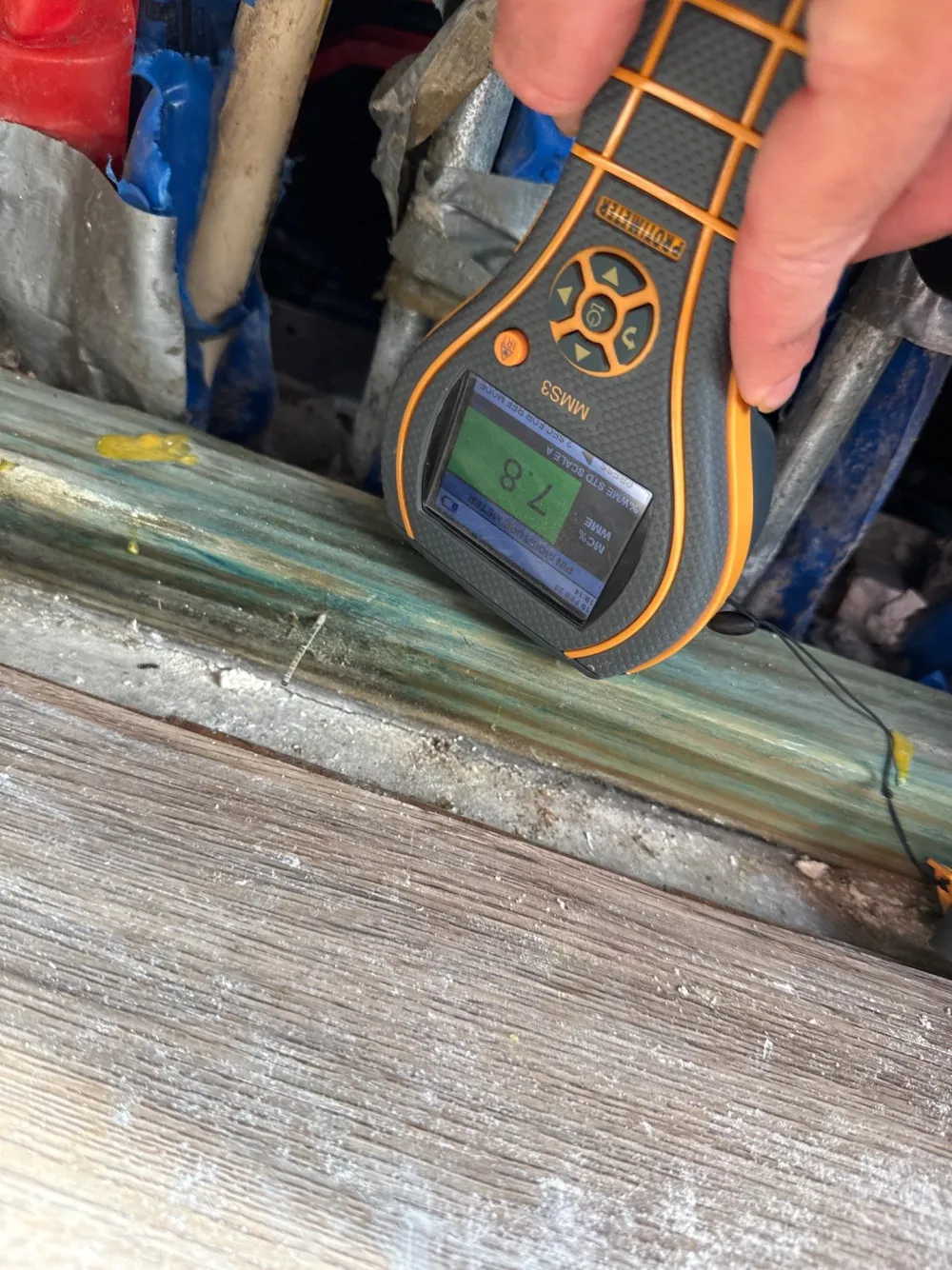
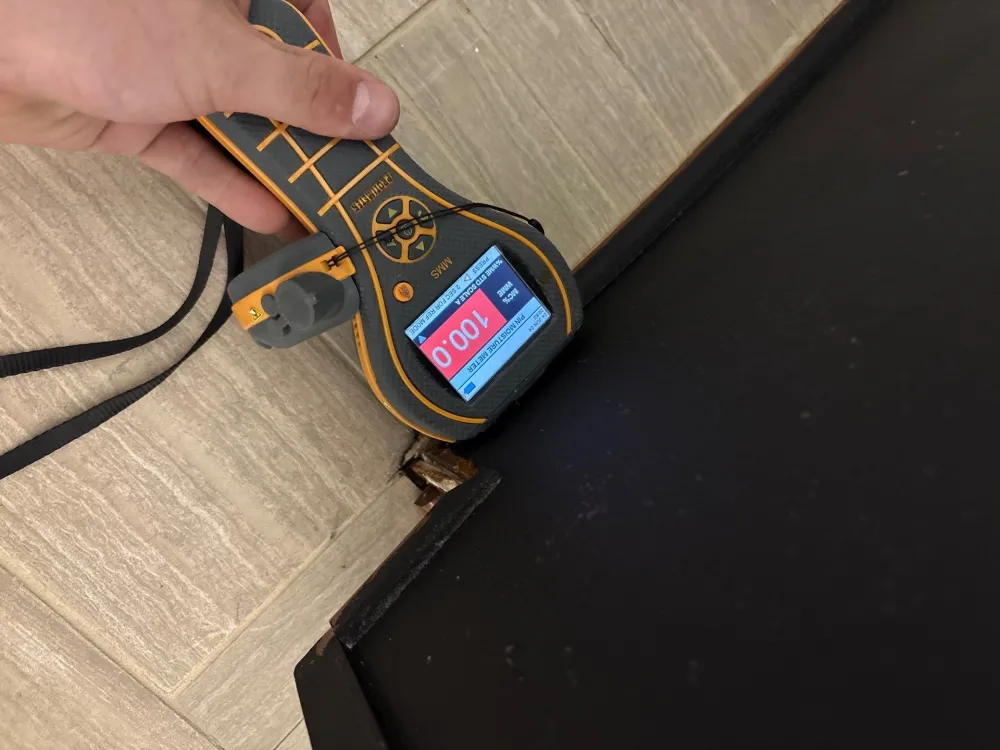
We are a locally based, IICRC certified restoration company, licensed and insured, and we answer the phone 24/7, because water does not keep business hours. Hardwood floor drying is a specialty within our full range of water damage restoration services, backed by the right mat systems, moisture meters, and drying equipment to give your floors a genuine chance. From the first visit we document moisture readings, photos, and scope for your insurance, and we keep monitoring daily until the wood is truly dry, not just dry on the surface. If your floors are cupping, lifting, or soaked through, do not wait to see whether they dry on their own. Call us, and let us try to save the floor before anyone starts talking about replacing it.
Frequently Asked Questions
Can cupped or buckled hardwood floors really be saved?
Often, yes, if we get to them quickly. Cupping and even mild buckling are usually the wood reacting to moisture, not permanent failure. When we dry the boards evenly and at the right pace with mat systems, many floors flatten back out on their own. Badly delaminated or rotted boards may still need replacing, but drying first almost always saves more floor than tearing it out.
How long does it take to dry a hardwood floor?
It depends on how long the water sat, how much soaked in, and the type of wood, but most hardwood floors take longer to dry than carpet or drywall because wood releases moisture slowly. Plan on several days to a couple of weeks with the mat system running. We monitor moisture readings daily and only pull the equipment once the wood reaches a normal, stable level.
How much does hardwood floor drying cost?
Every job is different, so we give you a clear estimate after we see the floor and take moisture readings. Cost depends on the affected square footage, how saturated the wood is, and how long the equipment needs to run. In most cases, drying a floor in place costs far less than ripping it out and installing new hardwood, which is a big reason we try to dry first.
Will homeowners insurance cover drying my hardwood floors?
Usually, when the water came from a sudden event like a burst pipe or an appliance failure, your policy treats the floor as part of the covered loss. Gradual leaks are more of a gray area. Either way, we document moisture readings, photos, and our scope from the first visit so your adjuster has solid evidence, and we are glad to work directly with your insurance company.
Do my floors need to be refinished after drying?
Sometimes, sometimes not. If the finish stayed intact and the boards flatten back to level, you may need nothing more than a good cleaning. If the water left staining, minor gaps, or a slightly uneven surface, a sand and refinish afterward brings the floor back to like new. We tell you honestly what your floor needs once it is fully dry.