
Belle Meade is its own city, an incorporated enclave of large estates and tree-lined lots surrounded by Nashville, and its water story is really two stories. Along the low ground near Richland Creek, which winds through the west side on its way to the Cumberland, flooding is a real and repeating threat. On the higher estate lots the risk looks different: a failed supply line, an overflowing upstairs bath, or a slow leak working its way through custom millwork and original hardwood. Both demand the same fast response. When water reaches a Belle Meade home, Renew Restoration answers 24/7 with the extraction and drying equipment to protect what makes these houses special, and our first goal is always to dry your finishes in place rather than tear out materials that cannot be replaced.
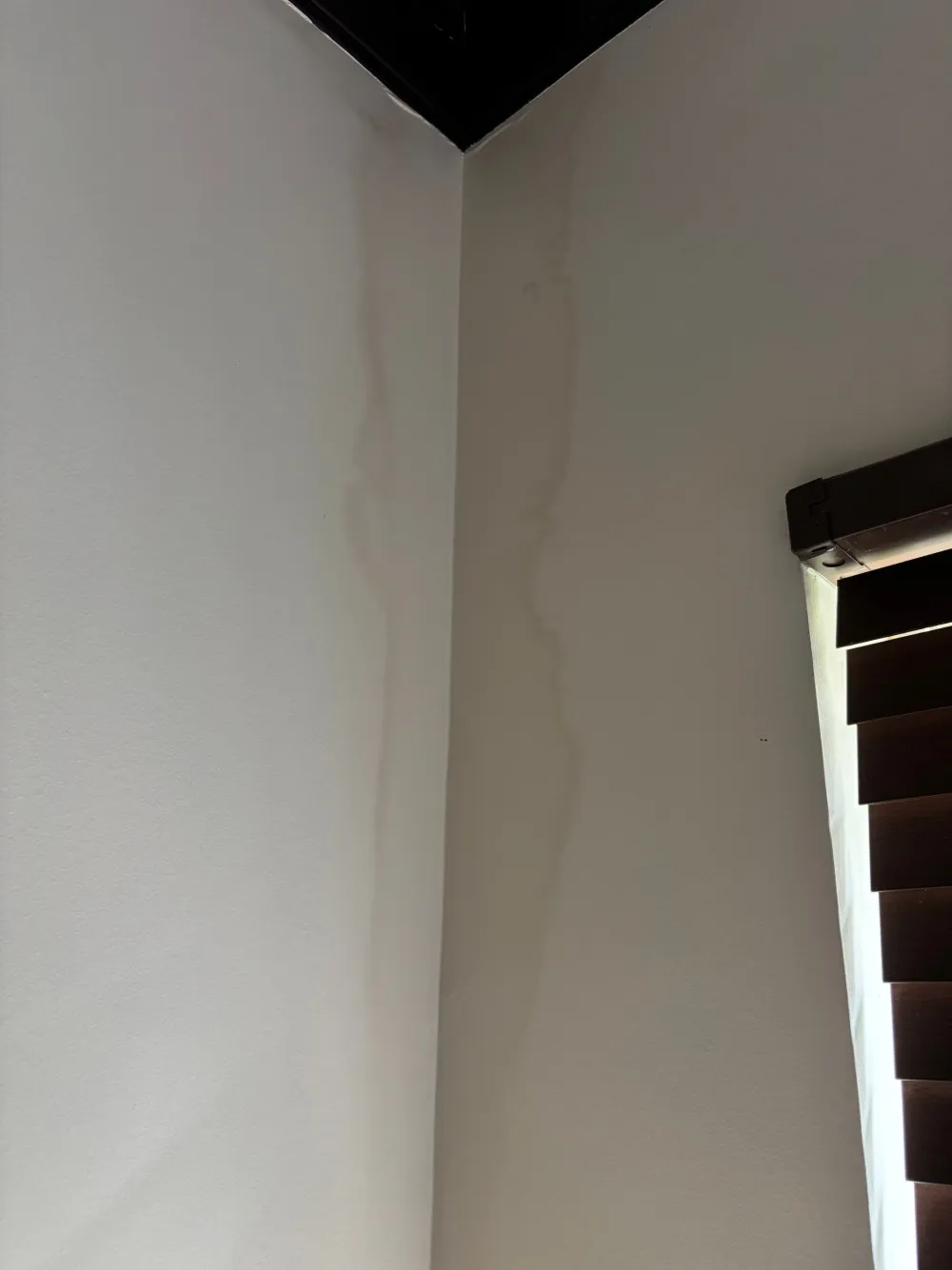
Richland Creek and Belle Meade's Flood Risk
Richland Creek is fed by nine tributaries and drains a watershed that includes Belle Meade and neighboring Forest Hills before it empties into the Cumberland River. Storm runoff from a wide area funnels past Belle Meade, so when Middle Tennessee gets a heavy, slow-moving system, the creek rises fast. The May 2010 flood was the worst in the area since 1926: close to a foot and a half of rain fell in a single weekend, Richland Creek left its banks, and the damage was severe enough that Metro later bought and demolished dozens of flood-prone homes along Delray Drive to create England Park as a floodwater buffer. Belle Meade has flooded again in the years since, most recently in the spring of 2025. If your property sits near the creek, remember that floodwater is rarely clean, it can carry sewage and contaminants and falls under a different category than a clean-water leak, which changes how it has to be handled. Our flood damage cleanup covers bulk water extraction, sanitizing, and drying the structure back to a safe standard, with full documentation for your insurer from the first hour.
Saving the Irreplaceable Materials in Belle Meade's Estates
The homes here were built to last, and to impress. From the 1920s through the 1950s, hundreds of landmark houses went up on the old Belle Meade Land Company lots: Tudor Revival manors, Georgian colonials, and Italianate stone houses, many with quarter-sawn oak floors, ornamental plaster, and custom millwork that no lumberyard stocks today. When those materials get wet, the instinct of a national franchise is often to rip them out and move on. That is not our approach. Original hardwood can usually be saved if you get the moisture out of the wood before it cups and delaminates, so we dry the hardwoods in place, using controlled airflow and monitored dehumidification to pull water from the boards. The same discipline applies to solid-wood paneling, built-ins, and trim. Tearing out a modern floor is an inconvenience. Tearing out ninety-year-old craftsmanship is a loss you cannot undo, so we dry first and demolish only when a material is truly gone.
Finished Lower Levels, Wine Cellars, and Hidden Water
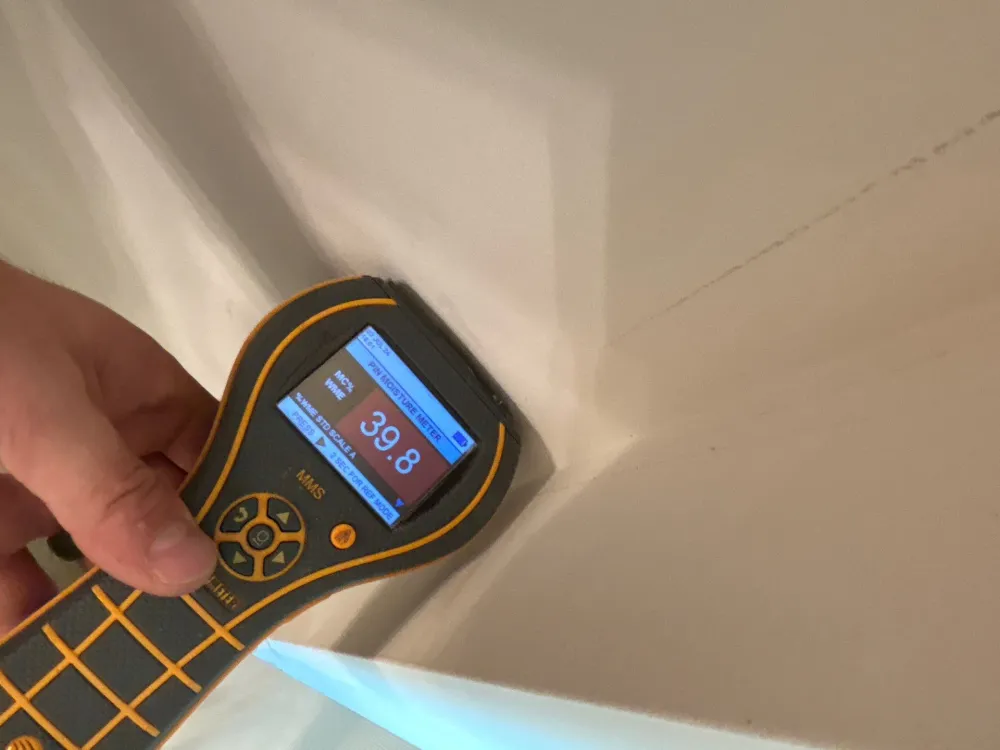
Estate-scale homes come with estate-scale water risk below the main floor. Finished lower levels, home theaters, wine cellars, and climate-controlled storage sit exactly where water collects, and they are often the last place anyone looks until a musty smell or a stained baseboard gives it away. A wine room that loses its humidity balance, a sump that quits during a storm, or a supply line behind a finished wall can put water into a space full of expensive, moisture-sensitive finishes. Because these rooms are usually below grade, they dry slowly and hold humidity long after the surface looks fine. We use moisture meters and thermal imaging to find the full extent of the water, dry the wall cavities and subfloor rather than just the surface, and then our Renew crew handles the repairs that put the paneling, flooring, and trim back the way it was. Getting the hidden moisture out is what keeps a small leak from becoming a structural problem.
A Crew That Knows Belle Meade
We are not an out-of-state franchise pulling your street up on a map; our crew works this side of Nashville, from the estate lots on the high ground down to the banks of Richland Creek. We know Belle Meade, from the crowds that fill Percy Warner Park on the second Saturday of May for the Iroquois Steeplechase, Nashville's rite of spring since 1941, to the gardens at Cheekwood and the grounds of the Belle Meade Historic Site and Winery, the 1853 mansion at the heart of what was once a 5,400-acre thoroughbred farm. That familiarity matters in an emergency. We know the older estate sections and the newer construction, we know which streets sit low near the creek, and we understand the kind of homes we are walking into before we arrive. When you call, a certified local crew shows up ready for the house, not a call center taking a message.
Our Water Damage Services in Belle Meade
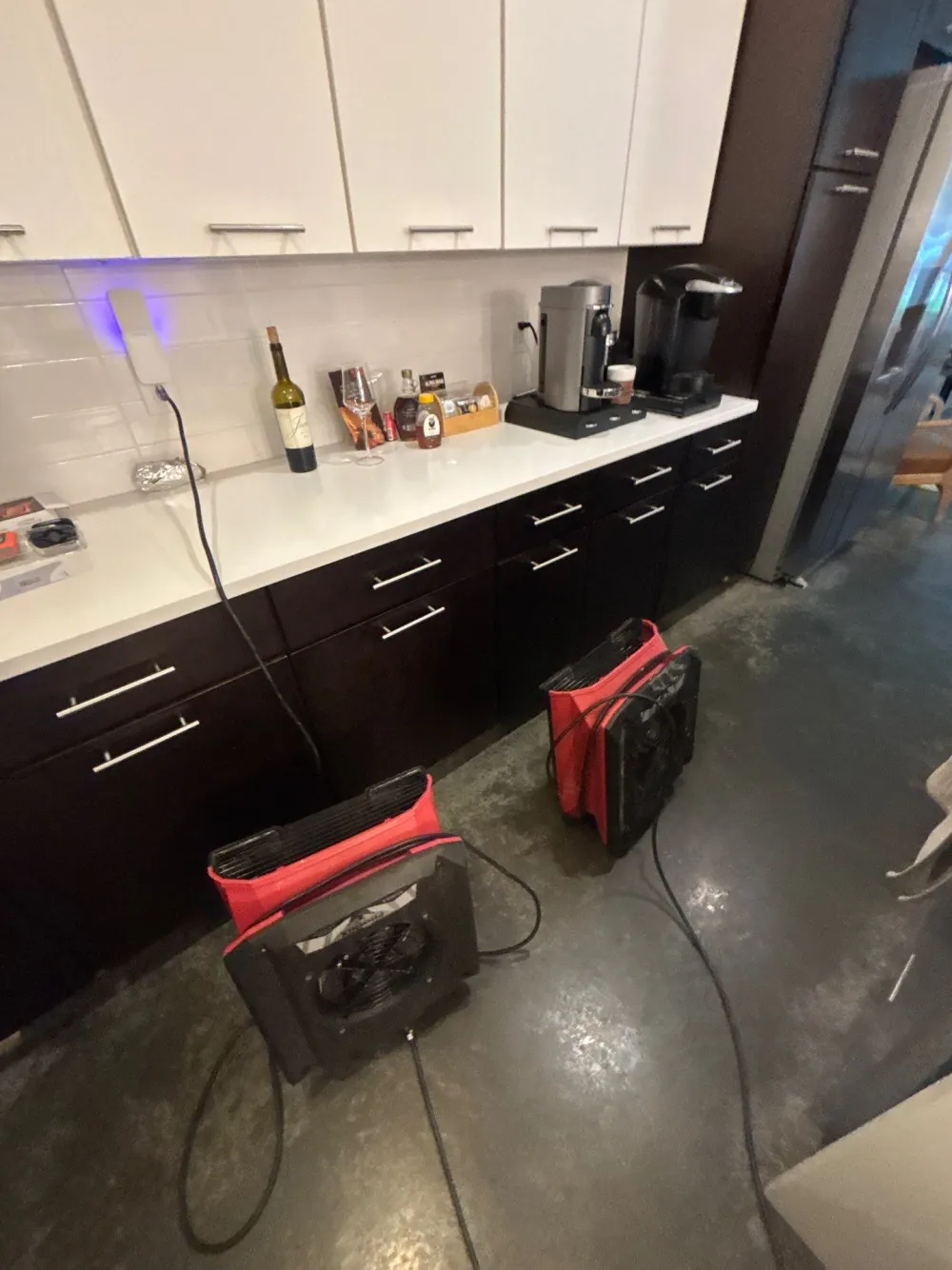
Every Belle Meade job draws on our full range of water damage restoration services: emergency extraction to get standing water out fast, structural drying with commercial air movers and dehumidifiers, wall-cavity and hardwood drying to save finishes, and complete documentation for your claim. As an IICRC certified, licensed, and insured team, we handle each source by the book, since clean water, gray water, and black or sewage water each call for a different protocol. Whatever put water in your home, our approach to getting the water out fast is the same: stop it, dry it, and protect the materials that give a Belle Meade home its value, all before small damage turns into a major rebuild.
Frequently Asked Questions
How quickly can you reach a Belle Meade water emergency?
Quickly. We run 24/7 out of Nashville, and Belle Meade is a short drive west for us. Water damage compounds by the hour, so we head straight your way with the extraction and drying gear already loaded and ready to run. On a large estate, early response is what lets us dry hardwoods and millwork in place instead of replacing them, so calling at the first sign of water genuinely changes the outcome.
Is my Belle Meade home at risk from Richland Creek flooding?
It depends on where you sit. Richland Creek runs along the west side and has a real flood history here, including the 2010 flood that was the worst since 1926 and the more recent spring 2025 flooding. Properties on the low ground near the creek carry the most flood risk, but every home is exposed to burst pipes and appliance failures, which cause the majority of the water damage we see.
Can you dry original hardwoods and custom millwork instead of tearing them out?
That is our priority. Many Belle Meade estates have quarter-sawn oak floors, solid-wood paneling, and trim from the 1920s through the 1950s that cannot be matched today. We use controlled airflow, thermal imaging, and monitored dehumidification to pull moisture out of the wood in place, and we demolish only when a material is truly beyond saving. Drying fast is what makes saving irreplaceable finishes possible.
Will homeowners insurance cover water damage on a high-value Belle Meade home?
Usually, for sudden events. Most policies cover a burst pipe or an appliance failure, while flood damage from Richland Creek typically needs separate flood coverage. On higher-value homes, adjusters look closely at documentation, so we record moisture readings, photos, and a full scope from the first visit. That record supports your claim and helps justify drying and restoring custom finishes rather than defaulting to a full tear-out.