
Water has a way of vanishing into a wall. The carpet dries, the paint looks fine, and the surface of the drywall feels cool but not wet, so it seems like the problem solved itself. Inside the wall cavity, the story is different. Insulation is still holding water like a sponge, the bottom plate is soaked, and moisture is wicking up the back of the drywall where no towel or box fan will ever reach it. Wall cavity drying is how we get to that trapped water and pull it out before it turns into warped board, ruined insulation, and the musty smell that tells you it sat too long. When a leak or a flood has gotten into the walls of your Nashville home, Renew Restoration dries them from the inside, 24/7.
The Water You Cannot See Inside Your Walls
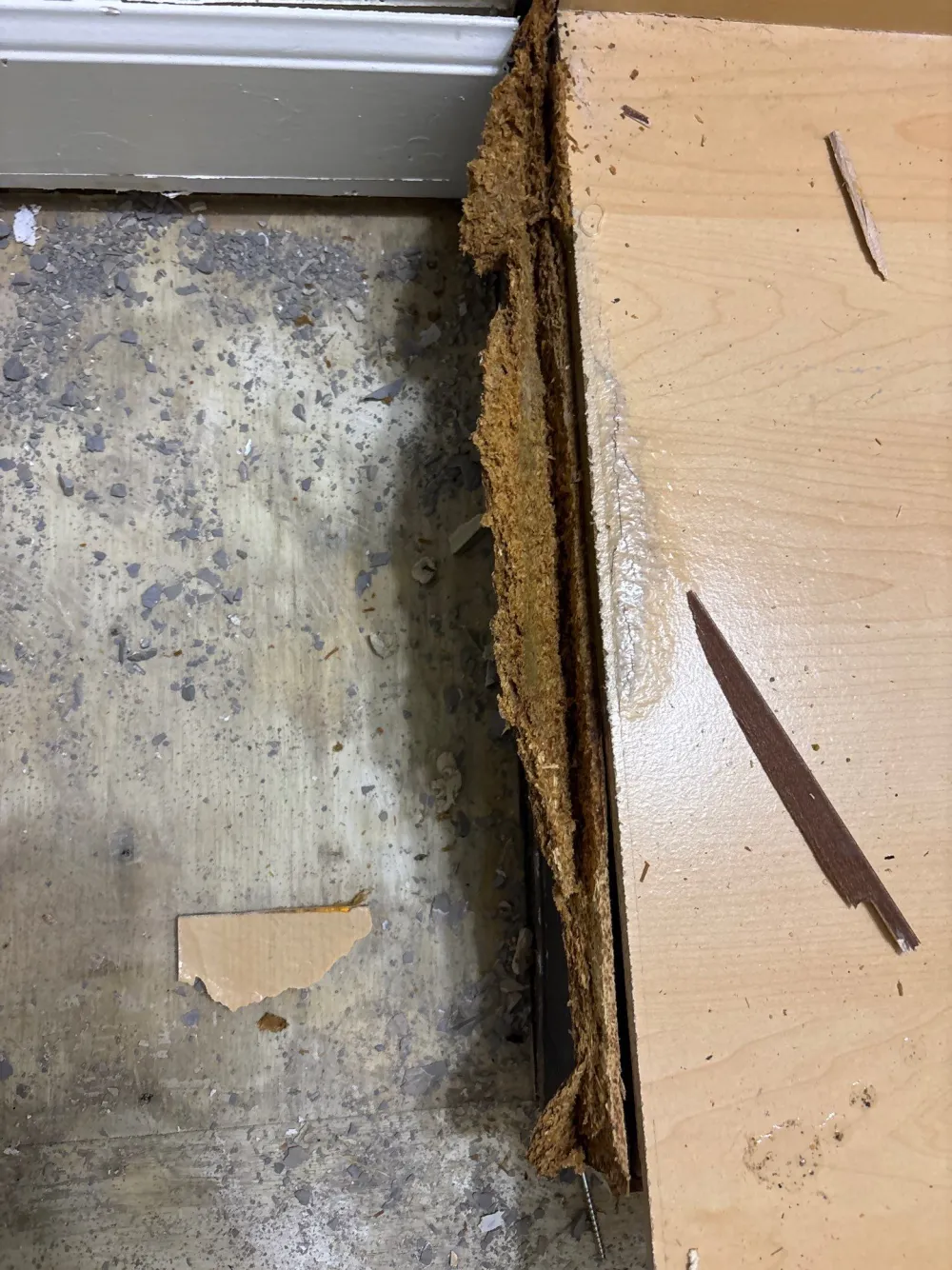
A wall is mostly hollow. Behind the drywall sits a framed cavity, usually packed with fiberglass or blown insulation and closed off at the floor by the wood bottom plate. When water finds its way in, from a supply line that let go inside the wall, a tub that overflowed upstairs, a window that leaked in a storm, or floodwater that rose a few inches across the room, that cavity becomes a sealed container that traps the moisture. Drywall does not just get wet where the water touches it either. It wicks moisture upward by capillary action, so a flood that stood two inches deep can leave the bottom foot of your walls damp long after the floor looks dry. A thorough water cleanup is the only way to stop that hidden moisture from feeding mold and rot, and it starts with finding every wet cavity in the room.
Where the Moisture Hides: Baseboards, Insulation, and the Bottom Plate
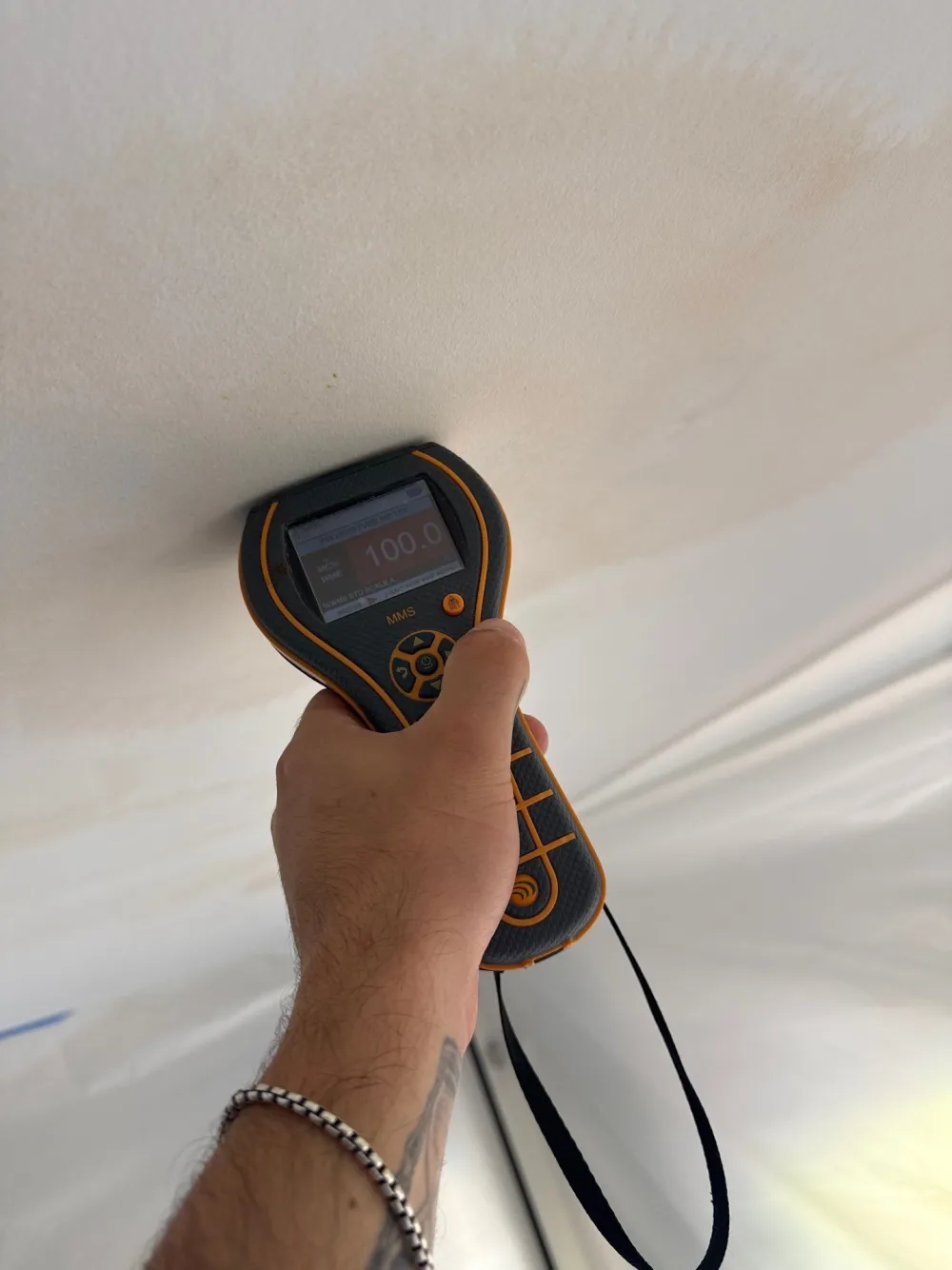
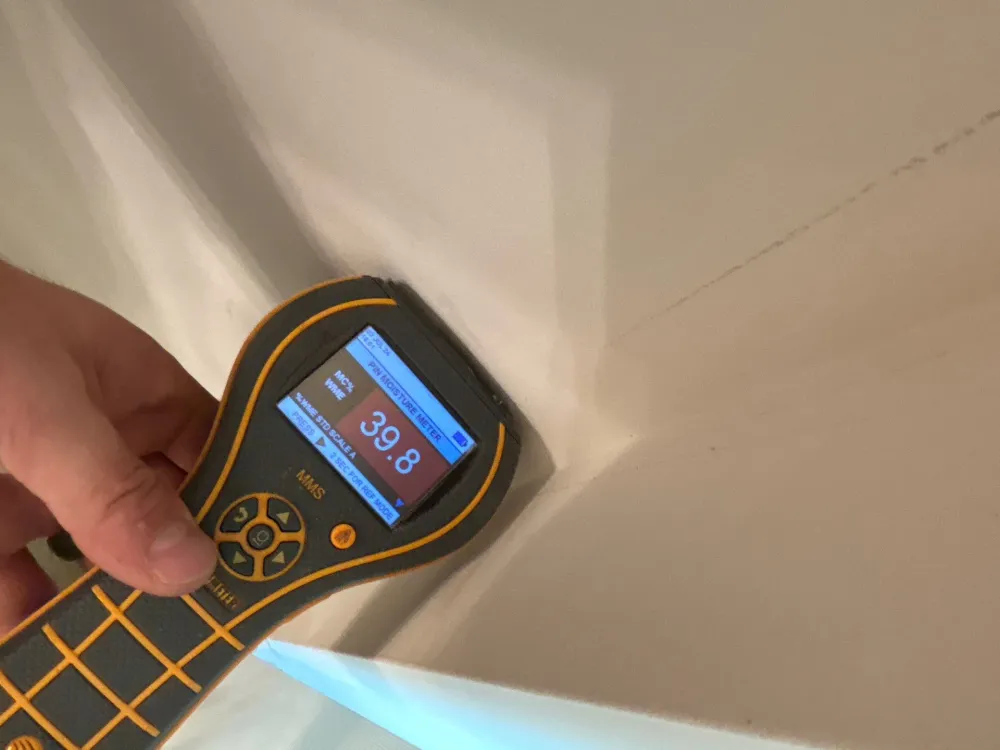
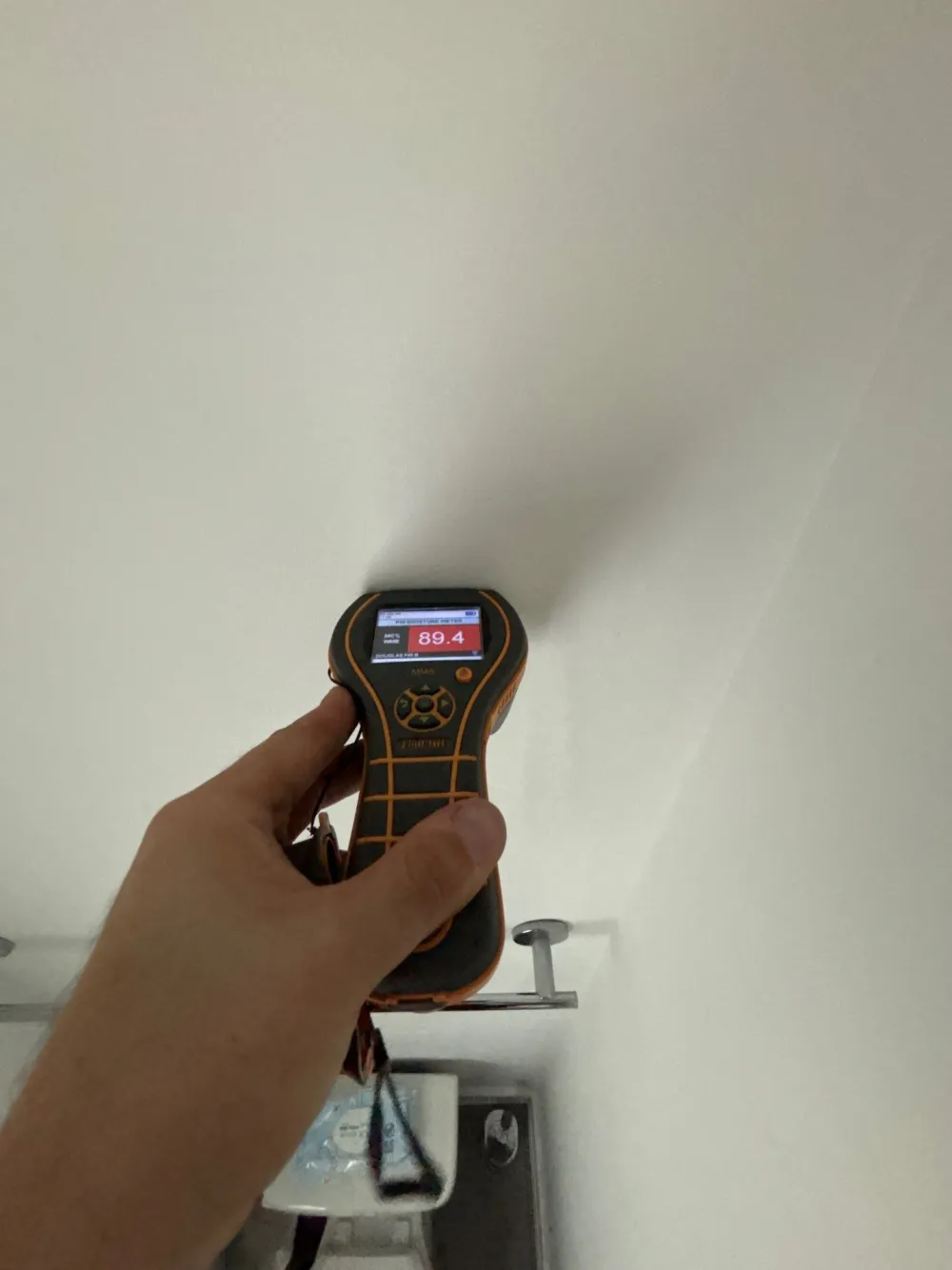
The lowest part of a wall is where trapped water does the most quiet damage. Behind the baseboard, in the gap between the drywall and the floor, water lingers because nothing there gets any airflow. The insulation inside the cavity soaks it up and stops doing its job, because wet fiberglass loses most of its R-value and then stays wet for weeks in a closed wall. The bottom plate the whole wall stands on holds moisture against the subfloor, and if it stays wet, that is where rot and mold get their start. We pull baseboards, take moisture readings right at floor level, and run non-invasive meters up the wall to map how high the dampness has climbed, so we know exactly which cavities are wet and how far the water traveled.
How Injection Drying Pulls Water Out of a Sealed Wall
You cannot dry the inside of a closed wall with a fan pointed at the surface, because the drywall blocks that airflow from ever reaching the cavity. So we open a controlled path instead. After removing the baseboard, we drill a row of small weep and vent holes low on the wall, often through or just above the bottom plate, so the holes stay hidden once the trim goes back on. Then we connect an injection drying system, the kind built around an Injectidry-style panel and hoses, to those holes. The unit forces filtered, warm, dry air into the cavity under pressure, or reverses to draw the humid air out, and that steady airflow behind the drywall dries the insulation, the framing, and the back side of the board from the inside out. We meter the cavity every day and keep the system running until the readings match a dry reference wall, not just until the surface feels dry.
Drying Your Drywall Instead of Cutting It Out
The old way to deal with a wet wall is the flood cut: score the drywall two feet up, tear out the bottom section, pull the soaked insulation, throw it all away, dry the bare framing, and then rebuild. That means new insulation, new drywall, tape, mud, texture, and paint, days of reconstruction and a repair bill that often dwarfs the drying itself. When we reach a wall early and the water is clean, injection drying can save the drywall you already have. Instead of demolition and a rebuild, you get a few small holes hidden behind the baseboard and a wall that goes back to normal. It is faster, it is cleaner, and it usually costs a fraction of what it takes to cut the wall out and rebuild it. The framing inside the wall dries alongside the rest of the house, which is why cavity work goes hand in hand with drying out the whole structure. That said, the source of the water decides what is possible. Clean Cat 1 water from a supply line is a strong candidate for drying in place, while Cat 3 water from sewage or a river flood contaminates the drywall and insulation, and those materials have to come out no matter what.
Wet Walls in Nashville's Older Homes
Middle Tennessee is hard on walls. Our summers are humid, which slows natural drying to a crawl and gives trapped moisture more time to cause trouble. Spring storm season drives wind-driven rain against siding and around windows, and older Nashville neighborhoods are full of homes with aging plumbing running through the walls and crawl-space foundations underneath. In a house built over a crawl space, a wet wall often sits on a damp sill plate, so we check below the floor too. Our crawlspace crew clears standing water underneath while the cavity dries above it. When a leak started higher in the house and ran down inside the walls, the first sign is sometimes a stain on the ceiling, and the crews who handle water-damaged ceilings trace it back to the source. Plaster-and-lath walls in the oldest homes hold water differently than modern drywall, and we adjust the approach to the wall we are actually drying.
Why Nashville Homeowners Call Renew for Wall Cavity Drying
Drying the inside of a wall is precise work. Drill in the wrong spot and you hit a pipe or a wire, stop too early and you seal moisture into a wall that will grow mold, dry the wrong cavities and you miss the water that actually mattered. Our crews are IICRC certified, licensed, and insured, and wall cavity drying is one piece of the full water damage restoration service we bring to every job, from the first moisture reading to the final check against a dry standard. We document every reading and photo for your insurance, we match the drying method to the category of water, and we do not pack up the equipment until the walls are dry all the way through. When water gets into the walls of your home, the clock is running, and getting it right the first time is what keeps a small loss from turning into a gut renovation.
Frequently Asked Questions
Can you really dry a wall without tearing out the drywall?
Often, yes. If we reach the wall before the water has sat too long and the water is clean, our injection drying system pushes dry air through small hidden holes and dries the cavity in place. That saves the drywall, the paint, and the reconstruction. If the water is contaminated or the drywall is already crumbling, some material has to come out, and we will tell you honestly which situation you are in.
How long does it take to dry inside a wall?
Most wall cavities dry in three to five days with an injection system running around the clock, though it depends on how much water got in, the type of insulation, and how humid it is. We take moisture readings every day and compare them to a dry section of wall. The equipment stays until the cavity actually meets a dry standard, not just until the surface feels dry to the touch.
Why is there water behind my baseboards?
Because the bottom of the wall is where trapped water settles. Drywall wicks moisture down toward the floor and the baseboard holds it against the wall with no airflow to dry it out. Even a small leak or a shallow flood can leave the insulation and the bottom plate soaked while the wall above looks perfectly fine. Bubbling paint, a soft spot, or a musty smell near the floor usually means the cavity is still wet.
Does the drywall have to be replaced after a leak?
Not always. The old approach was a flood cut, removing the bottom two feet of drywall and rebuilding, but that is not the only option. When we dry the cavity in place with an injection system, clean and sound drywall can stay right where it is. Replacement becomes necessary when the water was contaminated, the board has swelled or fallen apart, or the moisture sat long enough to start growing mold.
Will my insurance pay for wall cavity drying?
Usually, if the water damage was sudden, such as a burst pipe or an appliance failure. Drying in place is often less expensive than tearing out and rebuilding walls, which adjusters tend to appreciate. What decides the claim is documentation, so we record moisture readings, photos, and the daily drying log from the first visit and hand your adjuster a clear record of the loss and the work we did.