Germantown is the oldest neighborhood in Nashville, a compact grid of Victorian streets just north of downtown that was settled in the 1850s and grew into the city's first suburb. Walk the brick sidewalks past the Nashville Farmers' Market and the row houses off Monroe and Fifth and you are looking at some of the oldest standing homes in the city, many of them built in the 1800s and early 1900s. That history is the charm of Germantown, and it is also why water damage here looks different than almost anywhere else in Nashville. These houses carry the most aged plumbing in the city, tucked behind finished period details that are slow and expensive to replace. When a line lets go or a slow leak surfaces, Renew Restoration responds 24/7 with the leak detection, extraction, and drying equipment to protect both the structure and the old finishes that make these homes worth saving.
The Oldest Plumbing in Nashville
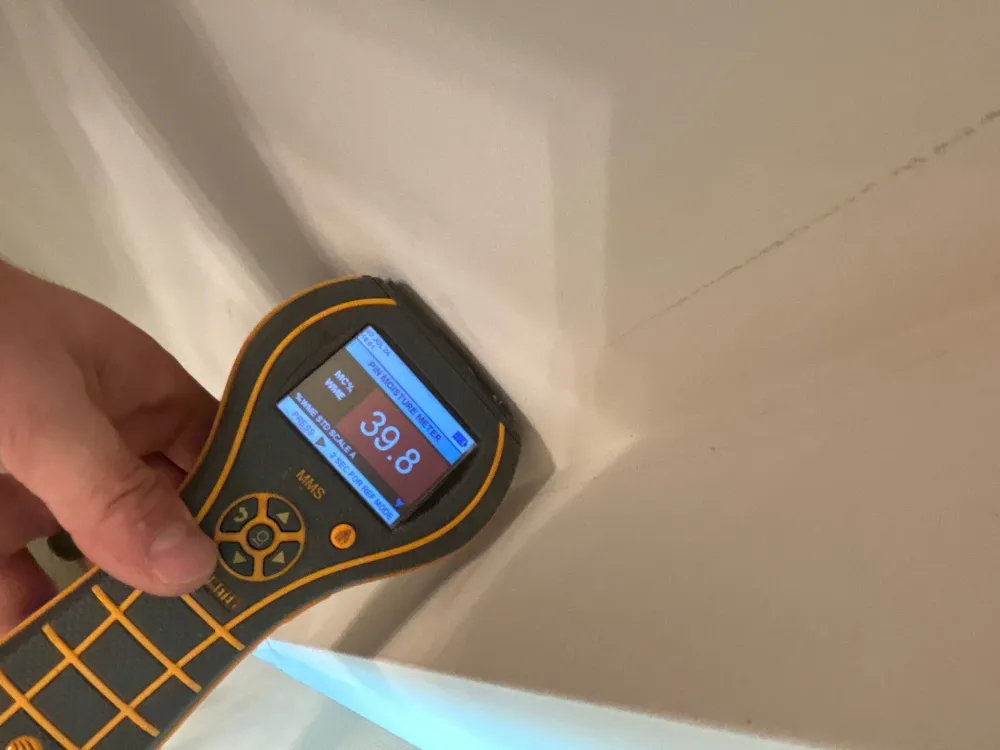
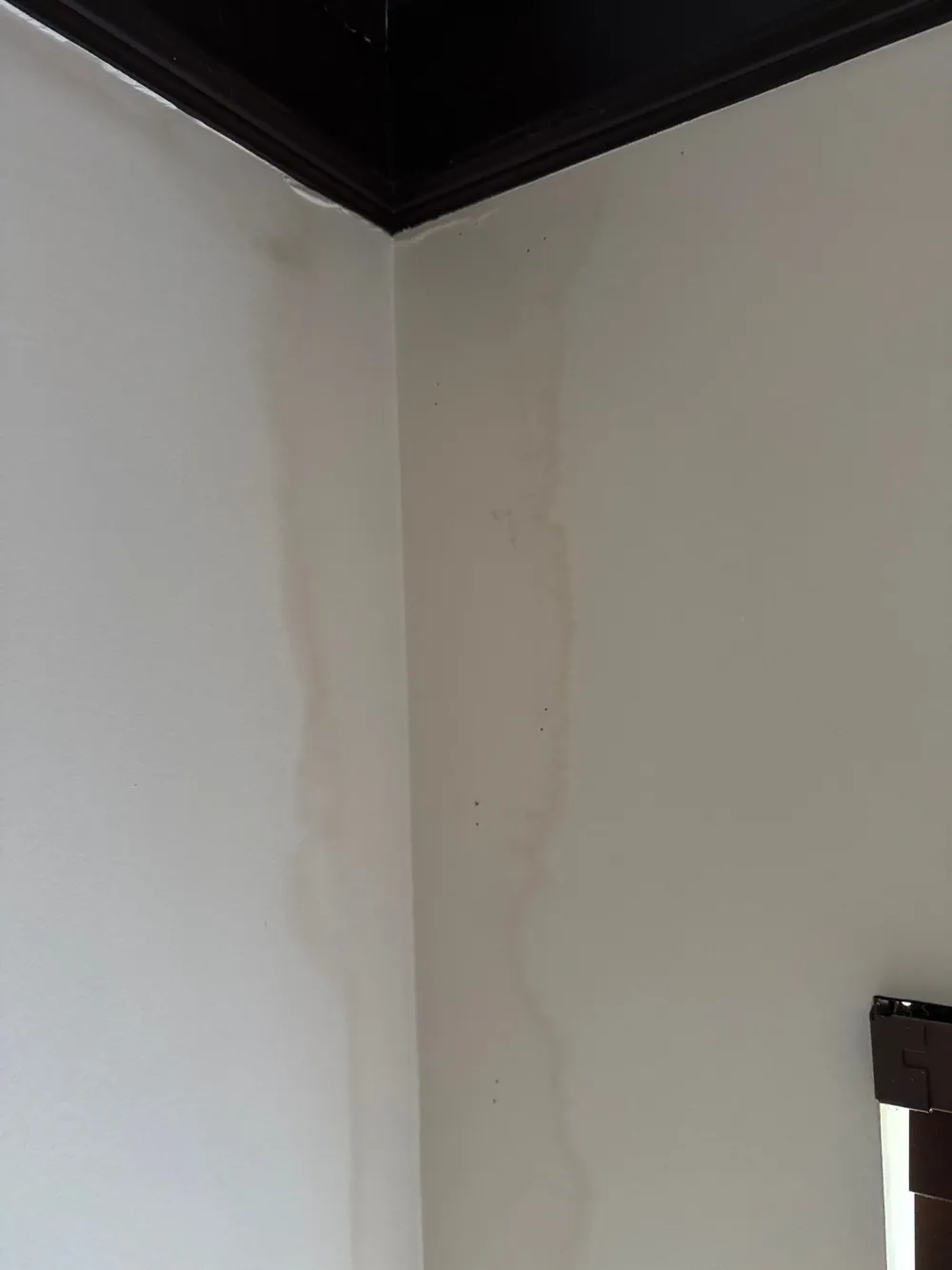
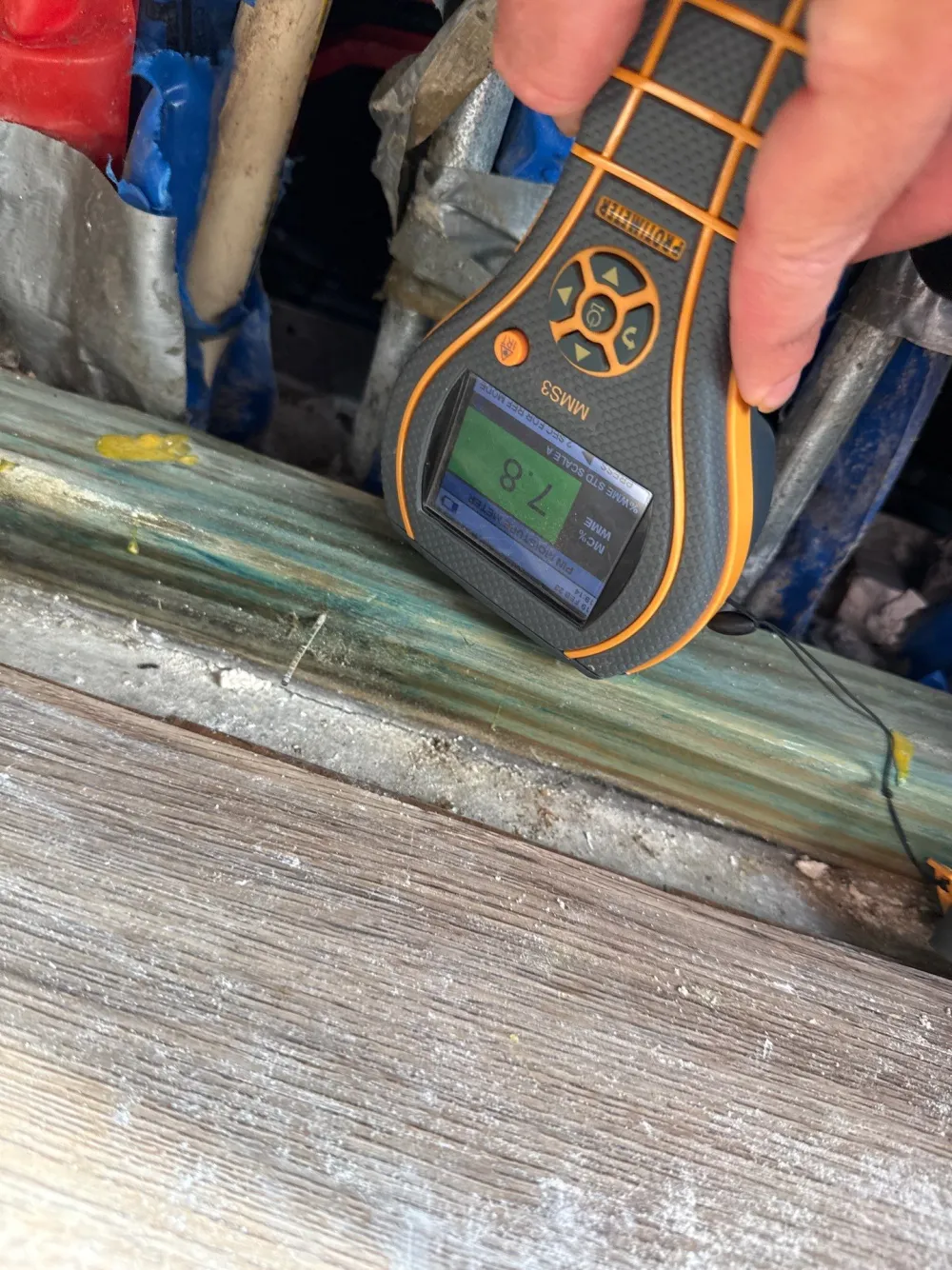
Germantown's homes were plumbed generations ago, and a lot of that original work is still in the walls. Older Victorians, Queen Annes, and worker cottages in the neighborhood commonly run on cast-iron drain lines and galvanized steel supply pipes, and some of the earliest houses still have sections of original plumbing feeding a modern kitchen or bath. Cast iron rusts from the inside out. Galvanized corrodes and closes up. Both fail quietly, often as a slow drip inside a wall or under a floor rather than an obvious burst, and in a house this old a pinhole leak can run for weeks behind plaster before a stain ever shows. That is why our leak detection matters so much in Germantown. We trace the source with moisture meters and thermal imaging before we open anything up, so we cut in one place instead of chasing the water through a century-old house.
Winter makes it worse. Nashville swings cold enough to freeze a pipe, and Germantown's old housing stock is especially exposed, with supply lines running through uninsulated exterior walls, shallow crawl spaces, and additions never built for a hard freeze. When a frozen line splits and thaws, it can pour hundreds of gallons before anyone is home to catch it, and the narrow lots and shared walls common in the neighborhood's row houses mean a burst pipe in one unit can push water straight into the next. Our burst pipe crew shuts the source down first, extracts the standing water, and starts drying immediately, because in an old wood-framed home every hour the water sits is another hour it works into the framing, the subfloor, and the plaster.
Drying Historic Finishes Without Tearing Them Out
The hardest part of water damage in Germantown is not the water, it is everything the water touches. These homes have original heart-pine and oak floors, plaster walls, tall period trim, and millwork that cannot be run down to the hardware store and replaced. Out-of-town crews tend to rip out everything the water touched. We would rather dry it in place. Our hardwood floor drying uses specialized mats and controlled dehumidification to pull moisture out of old plank floors before they cup, buckle, or lift, and we dry wall cavities and framing to a documented standard rather than demolishing them on sight. In a historic home the goal is always to save first and replace only what truly cannot be dried, so you keep the finishes that make a Germantown house what it is.
How Close Is Germantown to the River?
Germantown sits just west of the Cumberland River, near the old Sulphur Dell bottomland where First Horizon Park and the Nashville Sounds now play. That low ground has a flood history. In the May 2010 flood, when the Cumberland crested at nearly 52 feet, the site where the ballpark now stands sat several feet underwater, and the park was later built to withstand a 100-year flood for exactly that reason. For most of Germantown, though, the everyday water risk is not the river rising. It is the age of the houses. Far more homes here are damaged by a failed supply line, an old water heater, or a slow drain leak than by the Cumberland. We handle both, and when floodwater is involved we treat it as potentially contaminated Category 3 water, which changes how the structure has to be cleaned and dried.
We Know Germantown
Our crew is based right here in Nashville, familiar with the old row houses off Monroe and Fifth, not an out-of-town franchise plugging your address into a map. We know Germantown, from the Saturday crowds at the Nashville Farmers' Market to the green lawns of Bicentennial Capitol Mall State Park, from the tables at City House and Rolf and Daughters to the ten city blocks that fill up every October for the Nashville Oktoberfest, the celebration of the neighborhood's German roots that has run here since 1980. That local knowledge matters in an emergency. We know these narrow streets and tight driveways, we know what to expect behind the door of an 1890s Queen Anne, and we can get the right equipment to your home fast. When you call for water damage restoration in Germantown, you get a certified local crew that treats these historic homes with the care they need.
Our Water Mitigation Services in Germantown
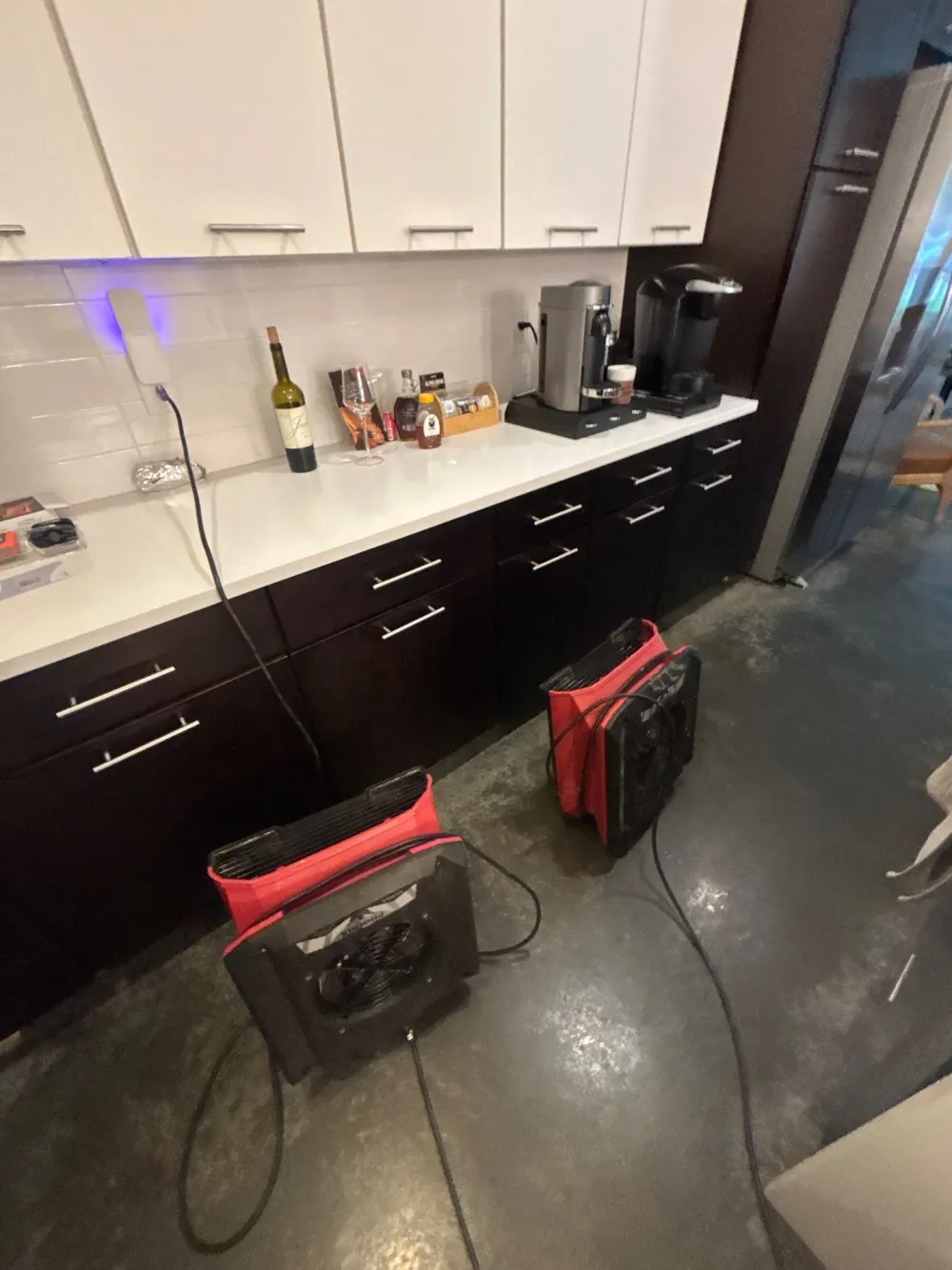
Every Germantown job is backed by our full range of services to get the water out and dry it to the standard: 24/7 emergency water extraction, structural drying with commercial air movers and dehumidifiers, wall-cavity and crawl-space drying, and complete documentation for your insurance from the first visit. We are IICRC certified, licensed, and insured, and we match the protocol to the source, whether that is clean Category 1 water, gray Category 2 water, or contaminated Category 3 water, so your home is not just dried but properly restored. Whatever sent the water into your Germantown home, the plan is the same: stop it, dry it, and protect the old finishes so small damage never becomes a full rebuild.
Frequently Asked Questions
How quickly can you reach a Germantown water emergency?
Fast. We run 24/7, and Germantown sits just north of downtown, a short trip for our Nashville crews. Water damage gets worse every hour it sits, especially in an old wood-framed home, so the extraction and drying equipment is already on the truck when we head straight to you. Reaching a leak right away instead of the next morning is often the difference between drying a floor and replacing it.
My Germantown home is over a hundred years old. Can you dry it without gutting it?
Usually, yes. That is the whole point of how we work. A national franchise sees wet material and tears it out. We dry in place wherever we can, using specialized floor mats, controlled dehumidification, and wall-cavity drying to save original heart-pine floors, plaster, and period trim. We replace only what genuinely cannot be dried, so you keep the finishes that make a historic Germantown home worth what it is.
Why do old Germantown houses get so many burst pipes and hidden leaks?
Age. Many Germantown homes still run on cast-iron drains and galvanized steel supply lines, some original to houses built in the 1800s and early 1900s. Cast iron rusts from the inside out and galvanized corrodes shut, and both tend to fail as a slow drip behind plaster rather than an obvious break. Add uninsulated old walls that freeze in a hard Nashville winter, and burst pipes and hidden leaks are simply common here.
Will homeowners insurance cover water damage in a historic Germantown home?
Most standard policies cover sudden water damage like a burst pipe, a failed water heater, or an appliance leak, regardless of the age of the home. Damage from long-term seepage is often excluded, which is why fast leak detection helps. Documentation decides the claim, so we record moisture readings, photos, and scope from the first visit. Clear documentation is what adjusters look for.