
Franklin is two places at once, and both of them are exposed to water. Downtown, you have one of the best preserved historic districts in Tennessee, a sixteen-block grid of Victorian storefronts and antebellum homes that predate the Civil War. Out toward the edges, you have the new subdivisions that have spread west, south, and east as Williamson County has grown. Running through all of it is the Harpeth River, which in May 2010 crested at 35.32 feet at the Franklin gauge, past its 1948 record and five feet over flood stage, and pushed water into Old Town and the streets around it. When water threatens a Franklin home, whether it is the river, a spring storm, or a supply line that let go overnight, Renew Restoration responds 24/7 from Nashville with the extraction and drying equipment to stop the damage before it spreads.
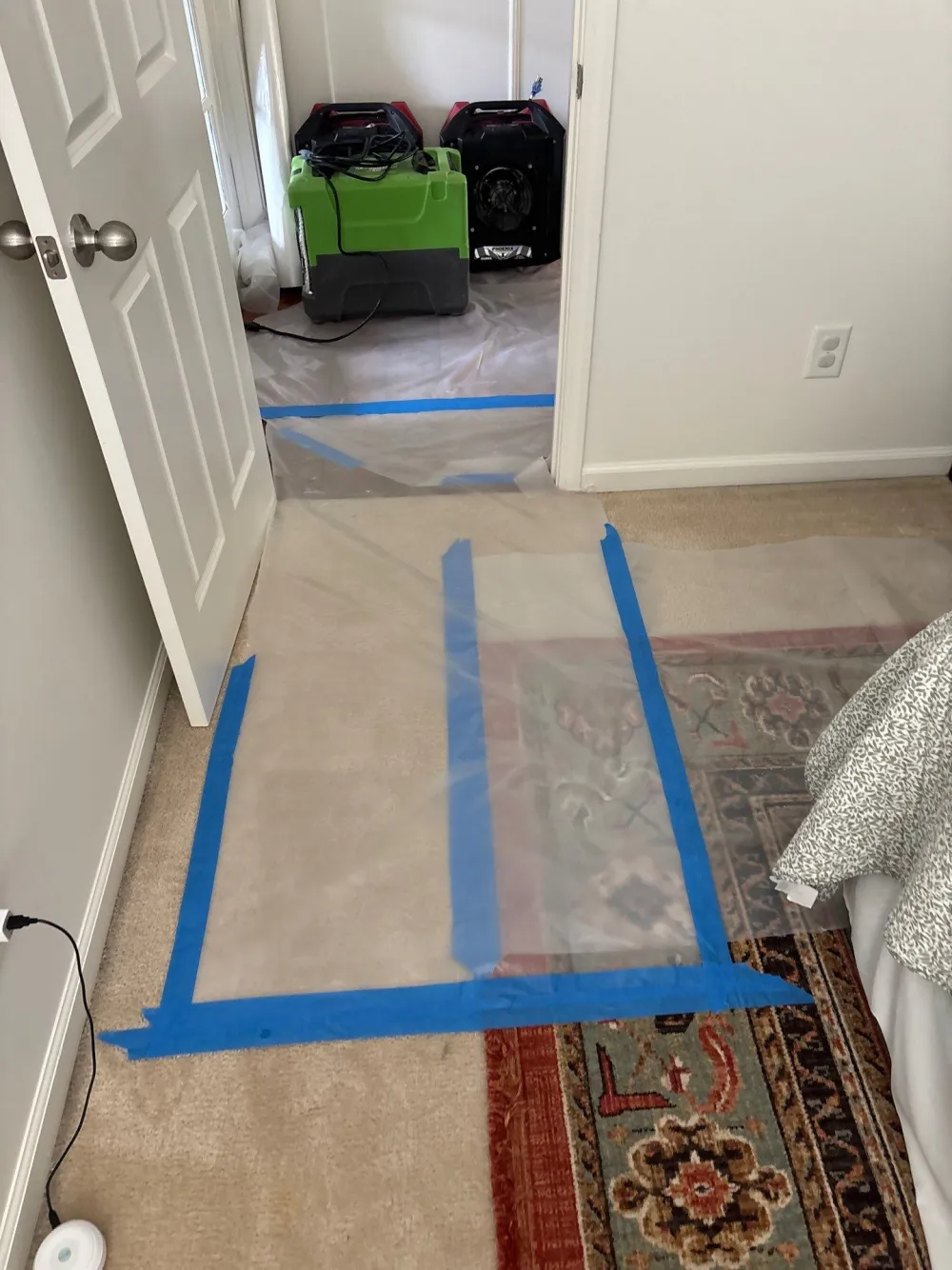
Drying Franklin's Historic Homes Without Erasing Their History
The homes around downtown are not ordinary houses. Carnton was built in 1826 and the Carter House in 1830, and the streets off Main Street hold Federal brick, Greek Revival, Italianate, and Victorian homes with original heart pine floors, lath-and-plaster walls, and old-growth framing you simply cannot buy anymore. When one of these homes takes on water, the wrong response does more harm than the leak did. You cannot pull up a floor that has been in place since before the Battle of Franklin and drop in a board off a shelf. The work is slow and deliberate: mapping the moisture, drawing water out of the wood and plaster gradually so it does not cup, crack, or delaminate, and monitoring until the structure reads dry all the way through. Our approach to drying hardwood floors is built for exactly this, saving original floors rather than condemning them, and the same patience carries over to plaster, trim, and framing that no lumberyard can match.
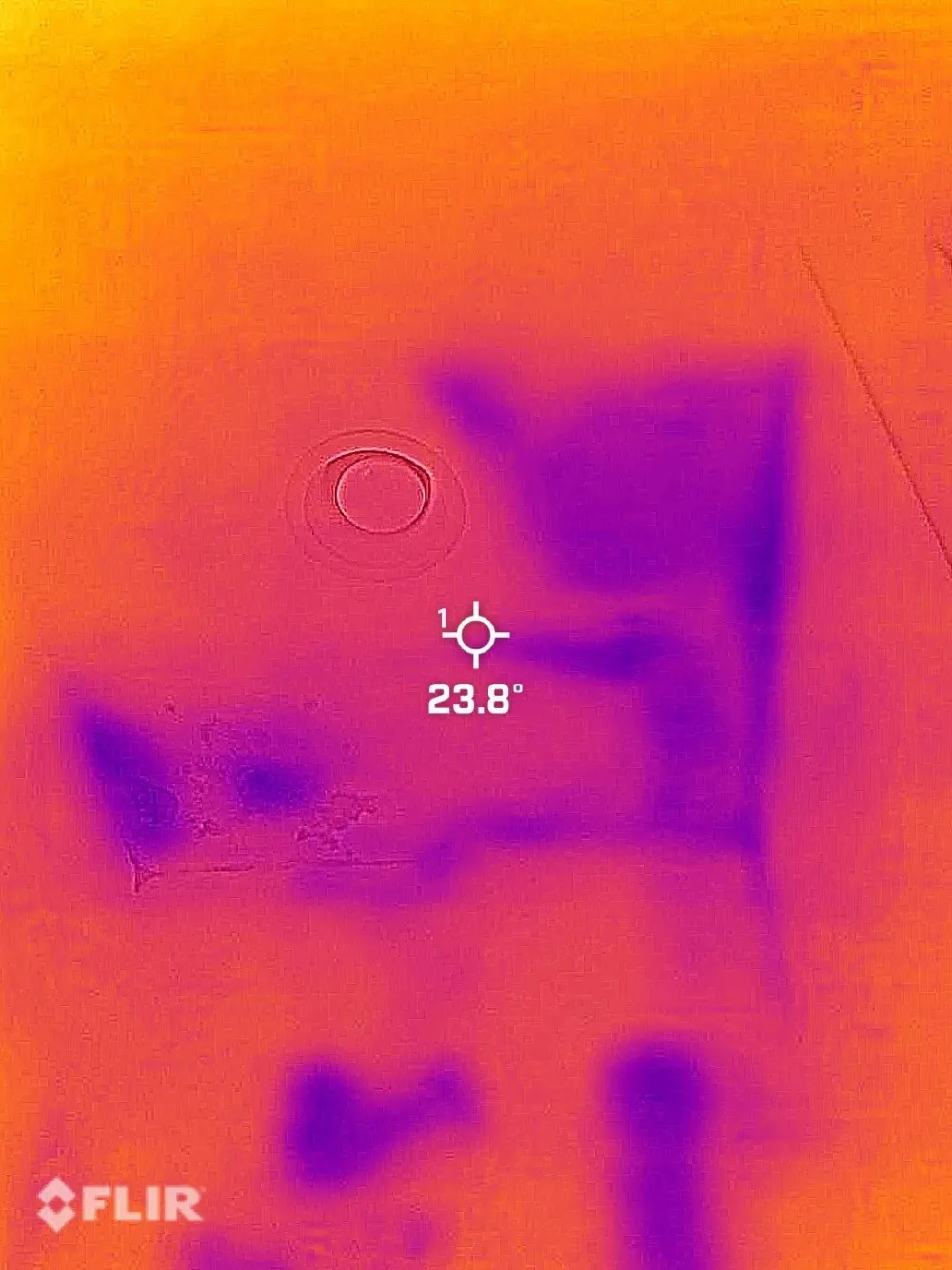
The Harpeth River and Franklin's Flood History
The Harpeth loops through Franklin and wraps The Park at Harlinsdale Farm before it winds on toward the Cumberland. Most of the year it runs quiet. But Franklin sits in a river valley, and when Middle Tennessee gets the kind of rain it saw in May 2010, the Harpeth rises quickly. That storm dropped more than thirteen inches on the region in about thirty-six hours, drove the river five feet over its thirty-foot flood stage, and flooded downtown streets, riverside yards, and low-lying subdivisions. Four people lost their lives along the Harpeth that weekend. River water is rarely clean water, it can carry sewage, fuel, and field runoff, which changes how it has to be handled and dried. Our flood damage cleanup covers bulk water extraction, sanitizing, structural drying, and full documentation for your claim, whether your home backs up to the river or just sits downhill from it.
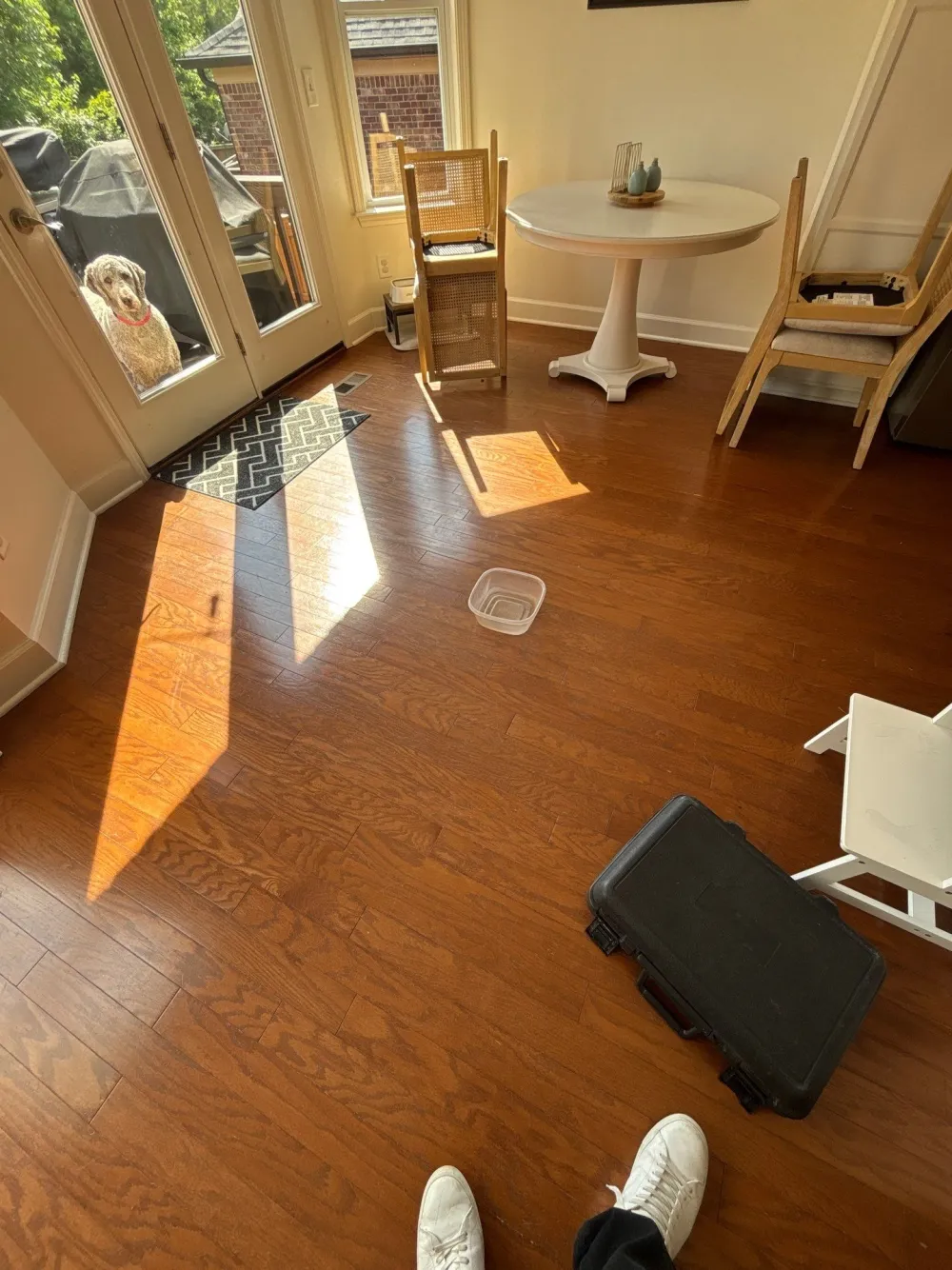
New Subdivisions Bring Their Own Water Risks
Not every water emergency in Franklin comes from the river or a century-old pipe. Much of the city is new. Subdivisions have filled the land west, south, and east of the historic core, and those homes carry their own failure points: PEX and copper supply lines, second-floor laundry rooms, water heaters tucked into attics, icemaker lines, and municipal pressure that runs high enough to split a fitting. A burst line on an upper floor can send water through two stories of drywall and subfloor before anyone is home to shut it off. When that happens, our Renew crew's burst pipe response stops the source, opens the wet cavities, and dries the framing and insulation before trapped moisture turns into a structural problem. New construction hides water well, which is exactly why it has to be found and dried quickly.
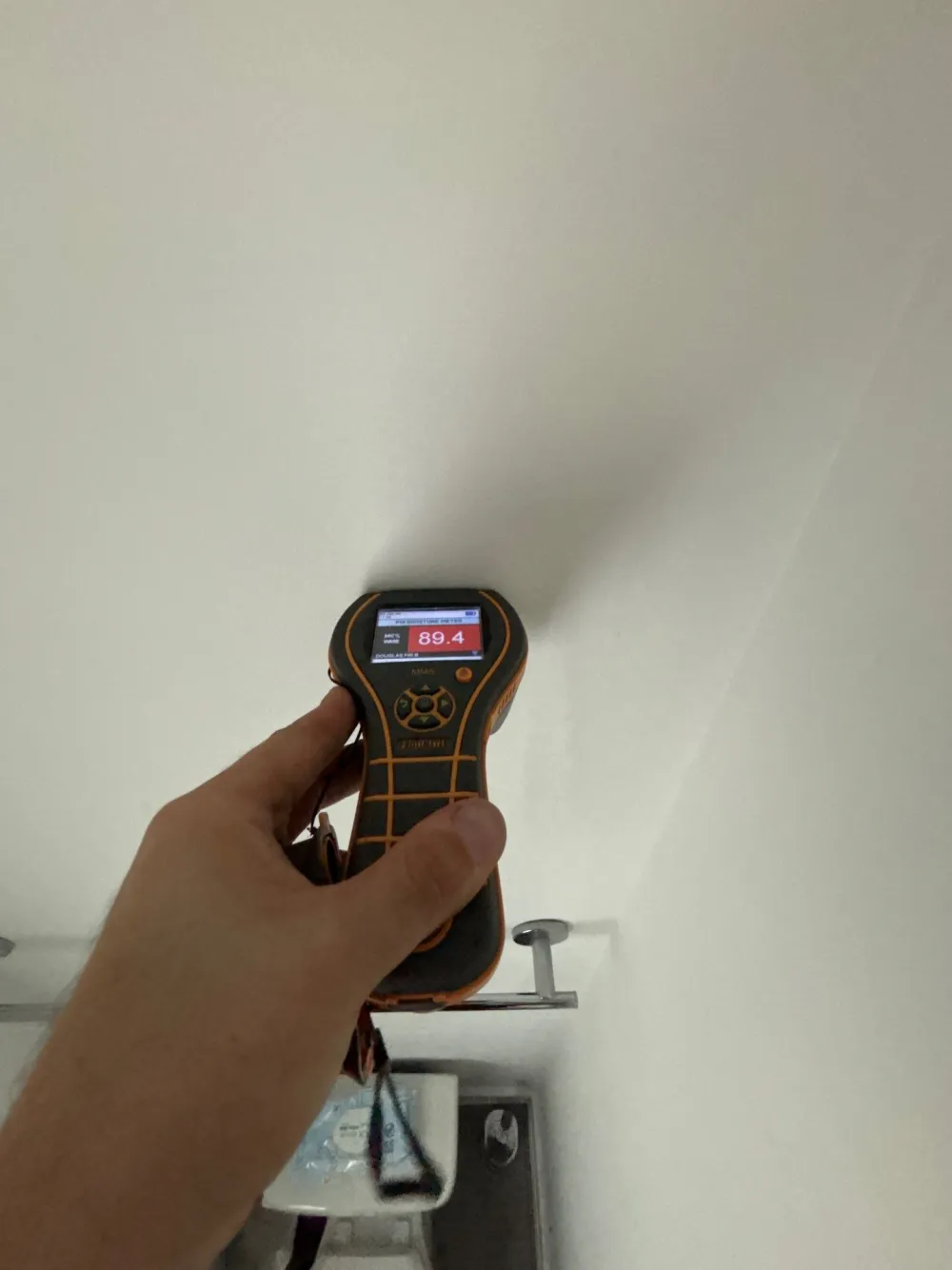
A Restoration Team That Actually Knows Franklin
The crew that pulls up here is based in Nashville, not a national franchise that has never heard of Carnton or the Carter House. We know Franklin. We know the crowds that pack Main Street for the Main Street Festival every spring and turn the whole downtown Victorian for Dickens of a Christmas every December. We know the Pilgrimage Music and Cultural Festival out at Harlinsdale Farm, on the fields the Harpeth wraps every fall. We know that a home off Lewisburg Avenue in the historic district is a different job than a new build in a subdivision on the west side, and we plan the work accordingly. That local knowledge matters in an emergency, because water damage restoration is a race against the clock, and knowing how to reach your street and what your home is built from saves time when it counts. Every Franklin call is handled by a certified local crew, not a call center, and backed by everything it takes to dry a home out: emergency extraction, structural drying, moisture monitoring, and complete insurance documentation.
Frequently Asked Questions
How quickly can you reach a water emergency in Franklin?
Fast. We run 24/7 out of Nashville, and Franklin is a straight shot about twenty miles south down I-65 and Franklin Road. Franklin is its own city, and Williamson County is part of our regular service area, so we never treat it as an afterthought. Because the damage only spreads the longer standing water sits, our crew rolls out already equipped for extraction and drying and drives straight to your door.
Can you dry a historic downtown home without damaging the original materials?
Yes, and it is some of the most careful work we do. Homes in Franklin’s historic district often have original heart pine floors, lath-and-plaster walls, and framing that cannot be replaced with modern lumber. We dry those materials slowly and monitor moisture the whole way, so the wood does not cup or crack and the plaster stays intact. The goal is always to save the original material, not to gut and replace it.
Is my Franklin property at risk from the Harpeth River?
It depends where you are. Homes near the Harpeth, around Old Town, and in low-lying spots are the most exposed, and the May 2010 flood, when the river crested above thirty-five feet and topped its old record, showed how far the water can reach. But most water damage we see in Franklin has nothing to do with the river. Burst pipes, failed water heaters, and appliance leaks flood homes on high ground every week of the year.
Will homeowners insurance cover water damage to my Franklin home?
Usually, if the cause is sudden. Most standard policies cover a burst pipe, a failed water heater, or an overflow, while damage from the Harpeth rising typically needs a separate flood policy. Either way, documentation decides the claim, so we record moisture readings, photos, and the full scope of work from the first visit. That gives your adjuster what they need to move the claim.